Five-Year Plans, Planning Commission and NITI Aayog: Static GK Capsule
Planning Commission formed: 15 March 1950
First Five-Year Plan: 1951 to 1956
Last Five-Year Plan: Twelfth, 2012 to 2017
NITI Aayog formed: 1 January 2015

Where Sarkari Naukri Finds You
Evergreen General Knowledge explained simply: Council of Ministers, Important Days, Government Schemes and other exam-relevant static facts.
Planning Commission formed: 15 March 1950
First Five-Year Plan: 1951 to 1956
Last Five-Year Plan: Twelfth, 2012 to 2017
NITI Aayog formed: 1 January 2015
India’s seismic zones, IMD’s cyclone categories and the Disaster Management Act in simple words, plus the 2025 earthquake map that was withdrawn within months.
A Navy Captain outranks an Army Captain by four steps. The full equivalence table for all three services, the five-star ranks, and the exam traps that follow.
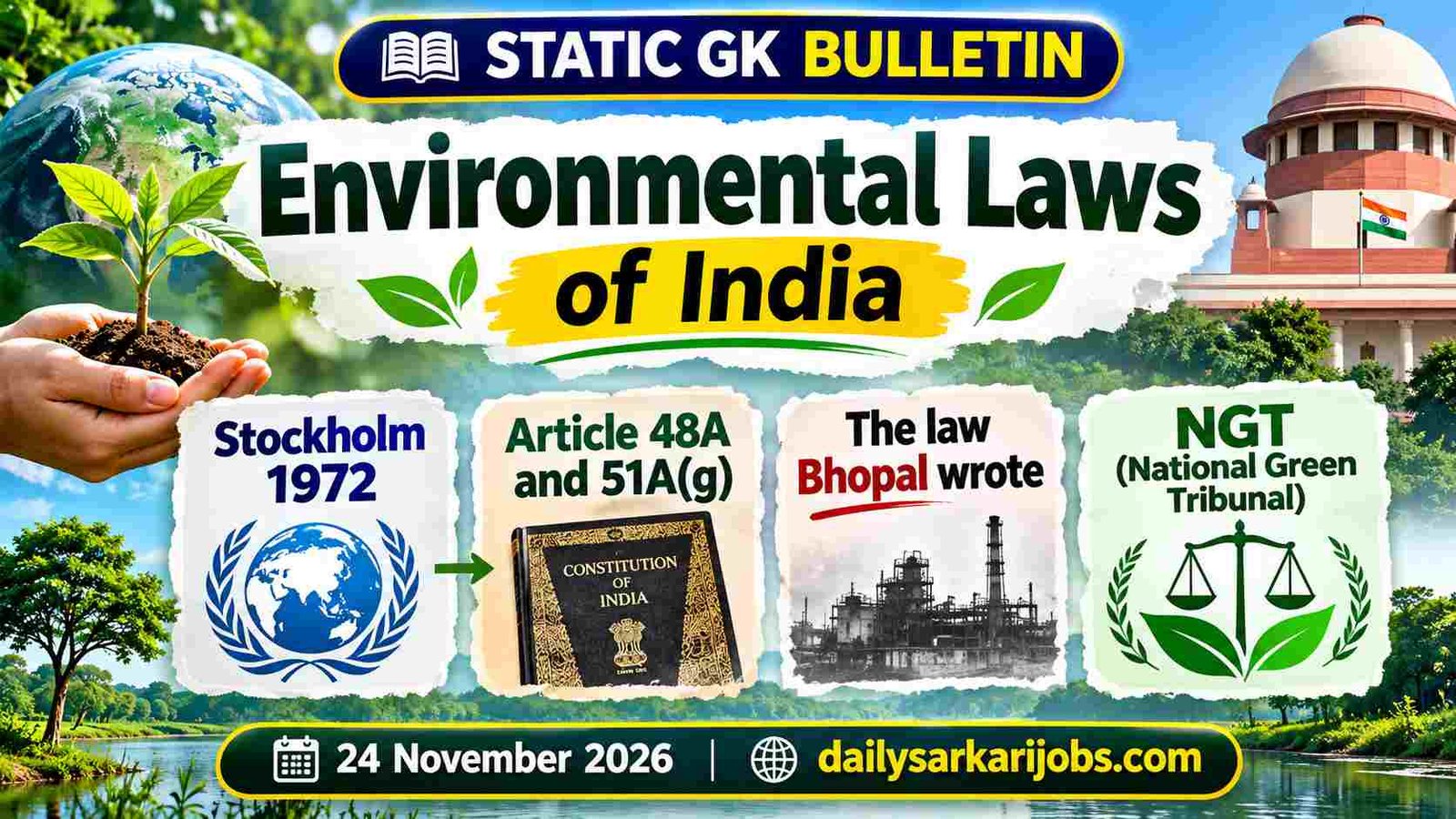
India’s environmental law was written after the damage, never before it. A static GK capsule tracing each Act to the conference or catastrophe that produced it.

A motor and a generator are the same machine run in opposite directions. A static GK capsule on Ohm’s law, fuses and earthing, induction, transformers and India’s 230 V supply.
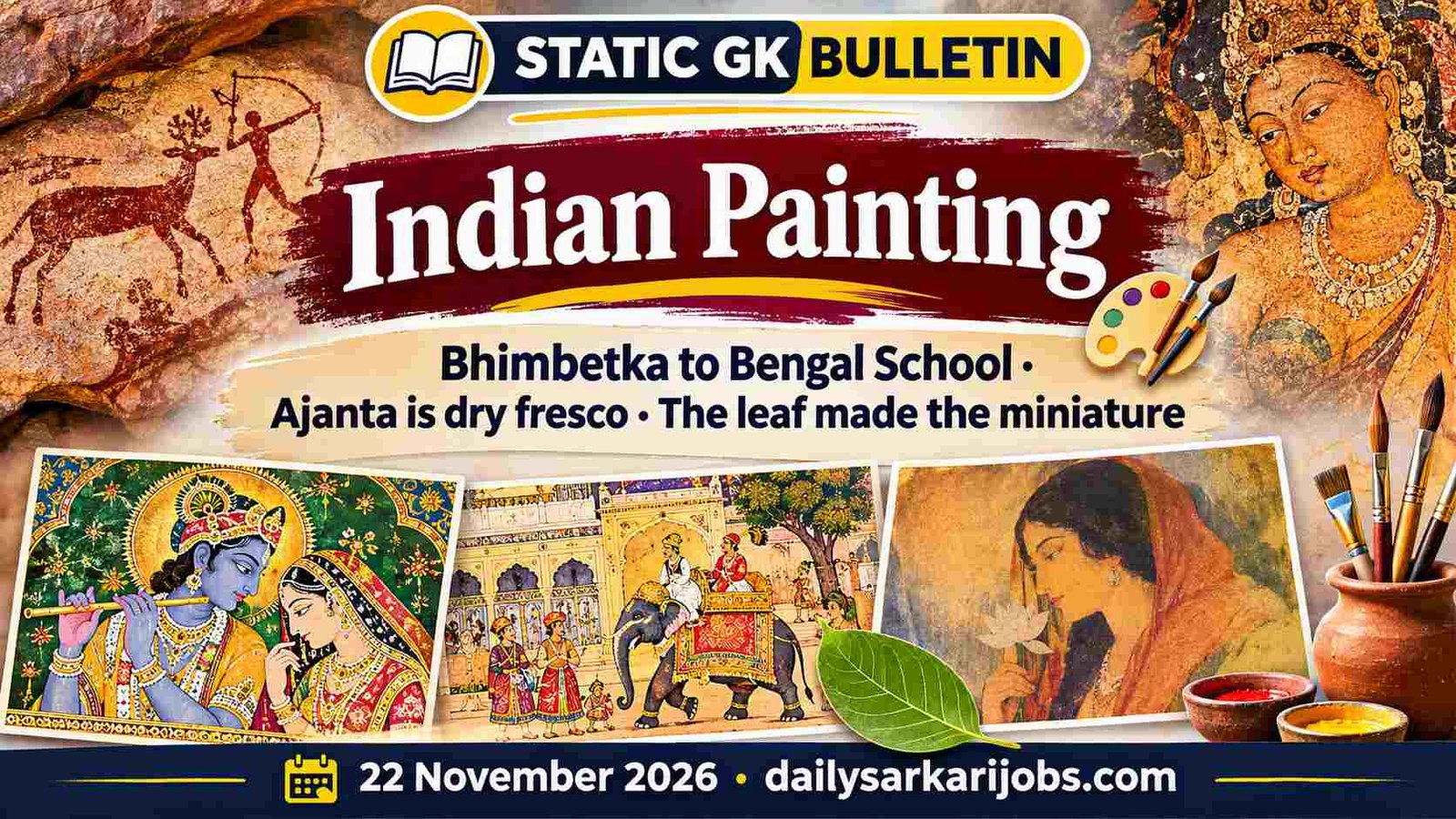
Indian painting changed every time its surface changed – rock shelter, cave wall, palm leaf, paper and cloth. A static GK capsule from Bhimbetka to the Bengal School.

Only four of India’s national symbols were adopted by the Constituent Assembly. The rest were simply declared – and the national game was never declared at all.
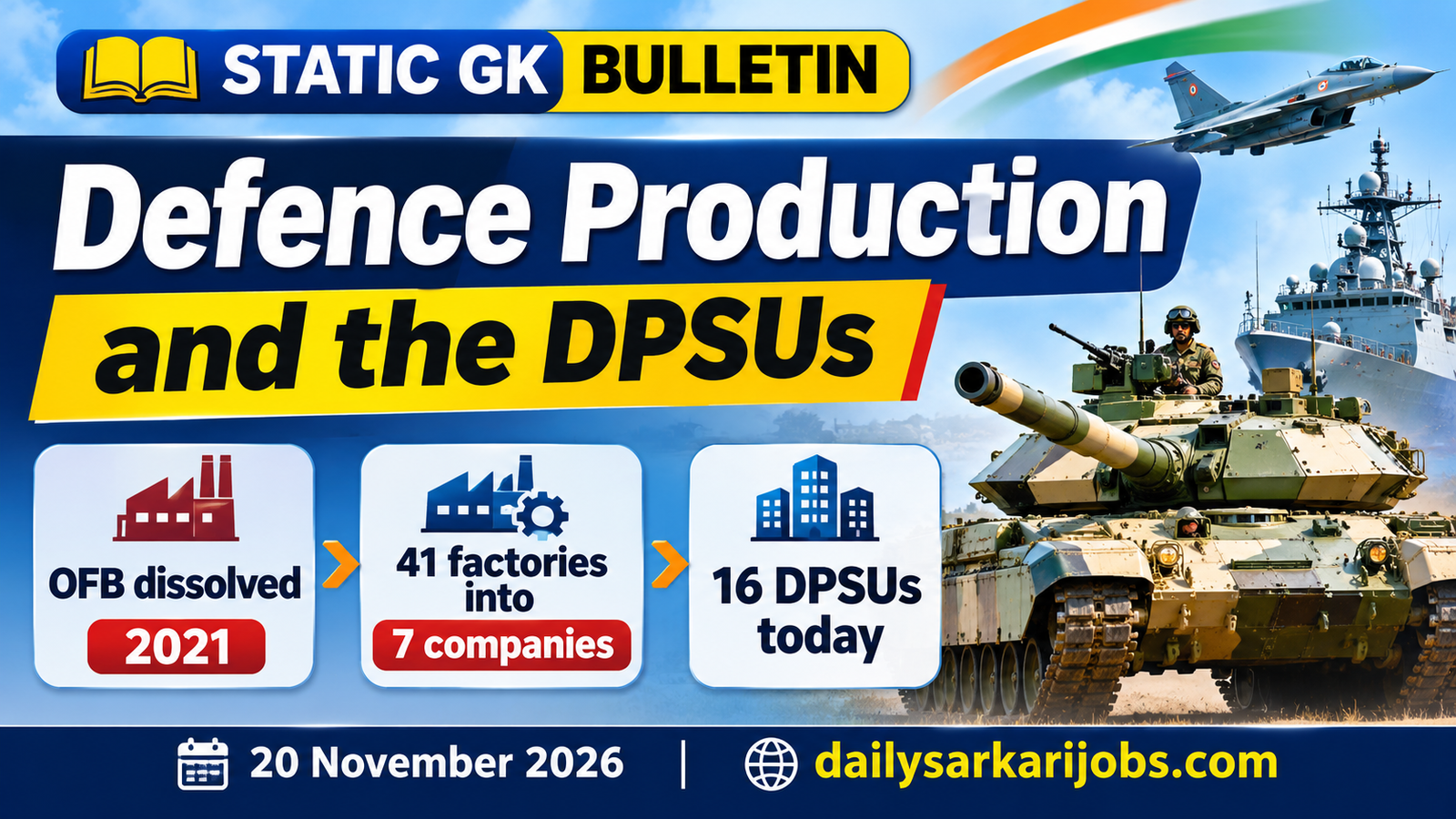
The Ordnance Factory Board was dissolved on 1 October 2021 and its 41 factories became seven DPSUs. A static GK capsule on India’s defence manufacturing system.

The ozone layer explained in plain language – why the hole opens over Antarctica and not over the countries that made the chemicals, good ozone versus bad ozone, the Vienna Convention, the Montreal Protocol and the Kigali Amendment, exam traps and five MCQs.

India’s minerals explained in plain language – why the plateau holds everything and the northern plains nothing, the three mineral belts, where coal, iron ore, bauxite, mica, copper, gold and petroleum actually are, the MMDR Act, exam traps and five MCQs.
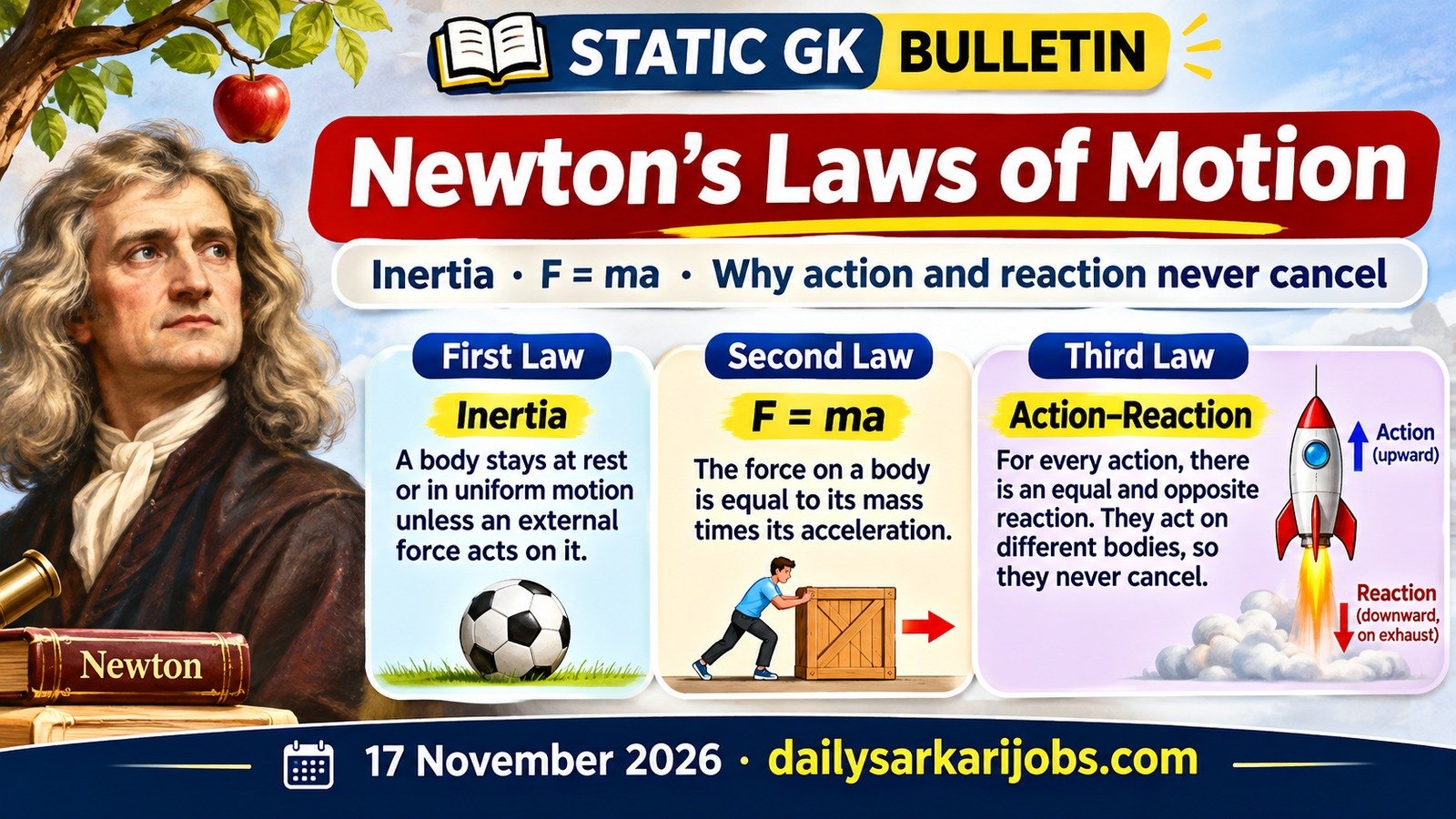
Newton’s three laws of motion explained in plain language – inertia, F = ma and the momentum form, why action and reaction never cancel, the everyday examples that get asked, exam traps and five MCQs.

The Indian Coast Guard explained simply – the Rustamji Committee and the smuggling gap that created it, the Coast Guard Act 1978, the five regions, and the 12, 24 and 200 nautical mile zones, with five MCQs.
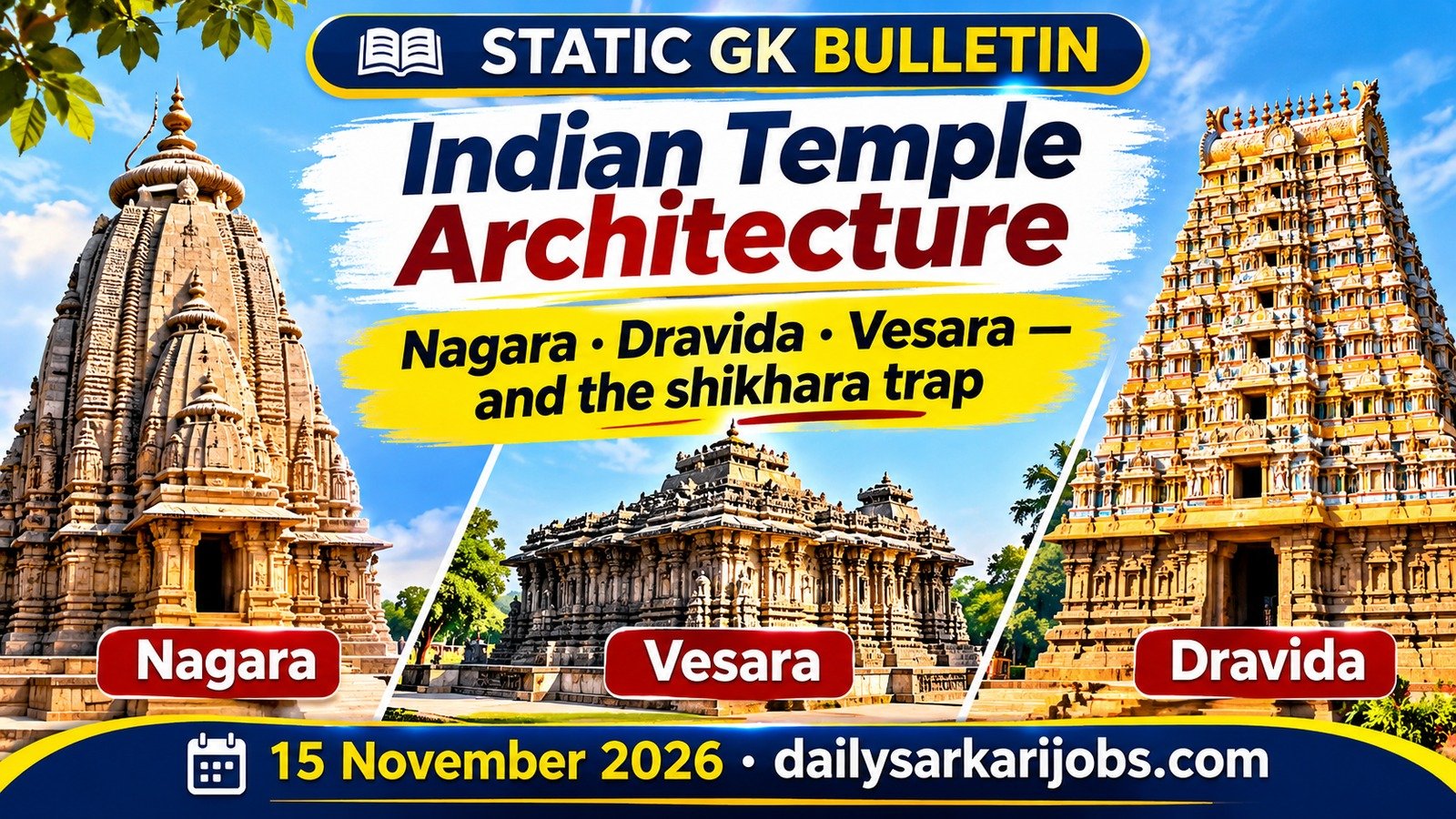
The three styles of Indian temple architecture explained simply – why Nagara grows upward and Dravida outward, what shikhara means in each, the gopuram, the Vesara dynasties, example temples and five MCQs.

India’s four biodiversity hotspots – the Himalaya, Indo-Burma, the Western Ghats and Sri Lanka, and Sundaland – with both qualifying criteria, the Andaman-Nicobar trap and five MCQs.
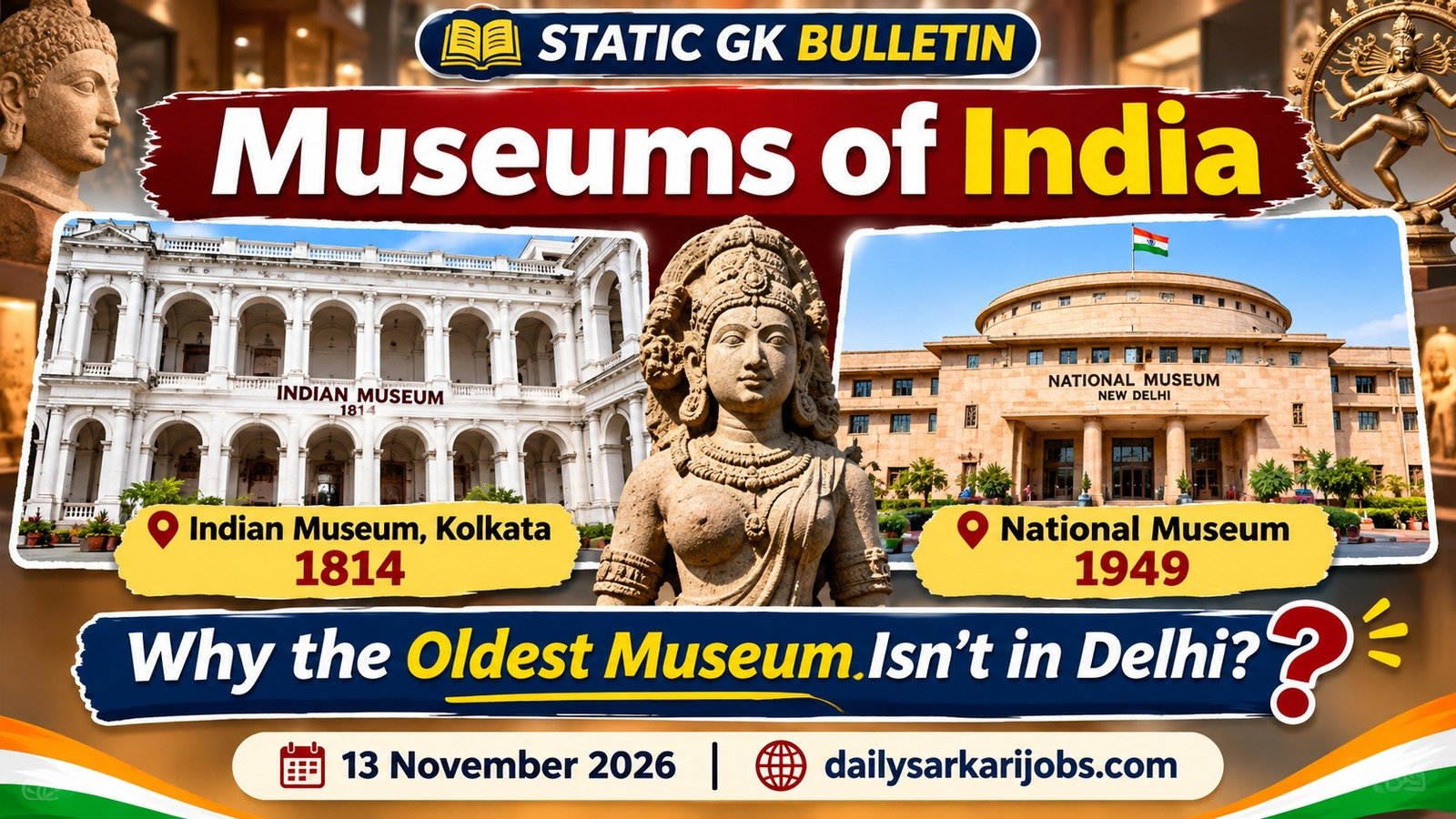
The Indian Museum at Kolkata, the National Museum at Delhi and the rest – with the one rule that turns the list into a pattern you can read.

The Supreme Commander, the Chief of Defence Staff, the commands of the three services and the tri-service bodies – built around the officer at the top who commands nothing.

Mirrors, refraction, prisms, scattering and the four defects of vision – the General Science capsule built around the one rule that explains all of them.
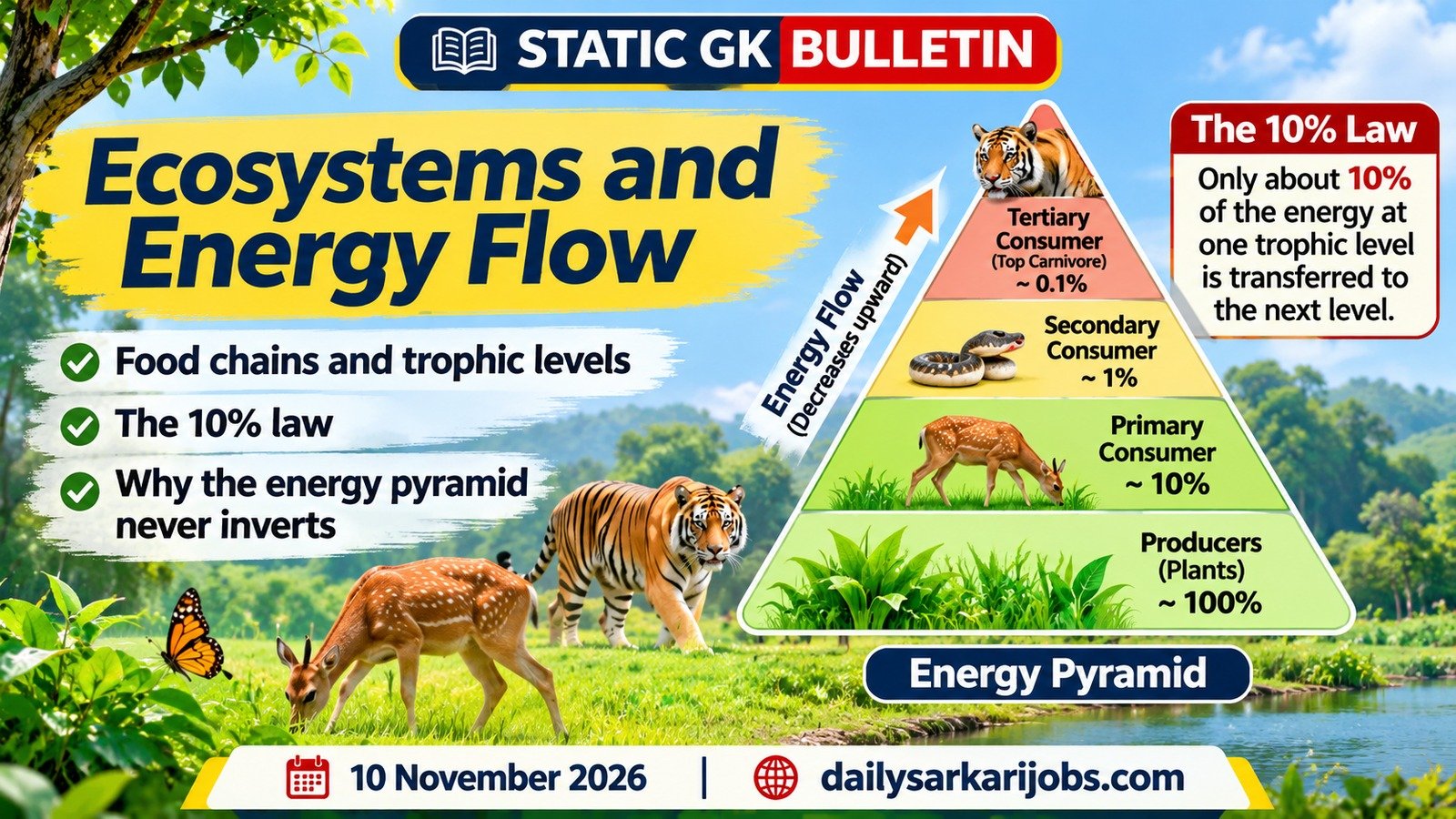
Producers, consumers and decomposers, the 10 per cent law, food webs and the three ecological pyramids – built around the one sentence that explains the whole chapter.
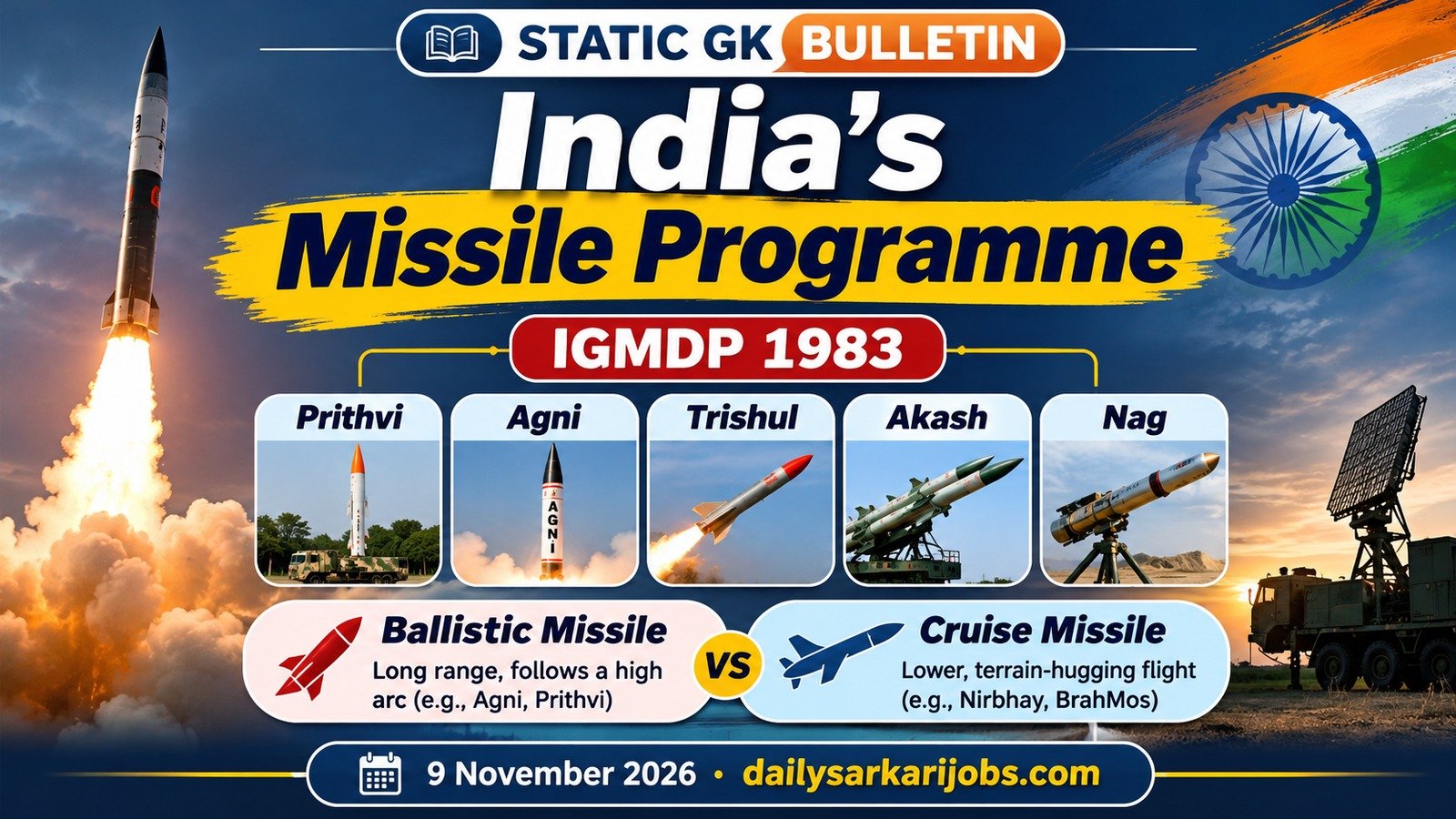
The IGMDP of 1983, its five missiles, and the one distinction that organises the whole topic – a ballistic missile is thrown, a cruise missile flies.

Hindustani and Carnatic, raga and tala, the Carnatic Trinity and the four classes of instrument – the Static GK capsule built around the one fact that explains the rest.
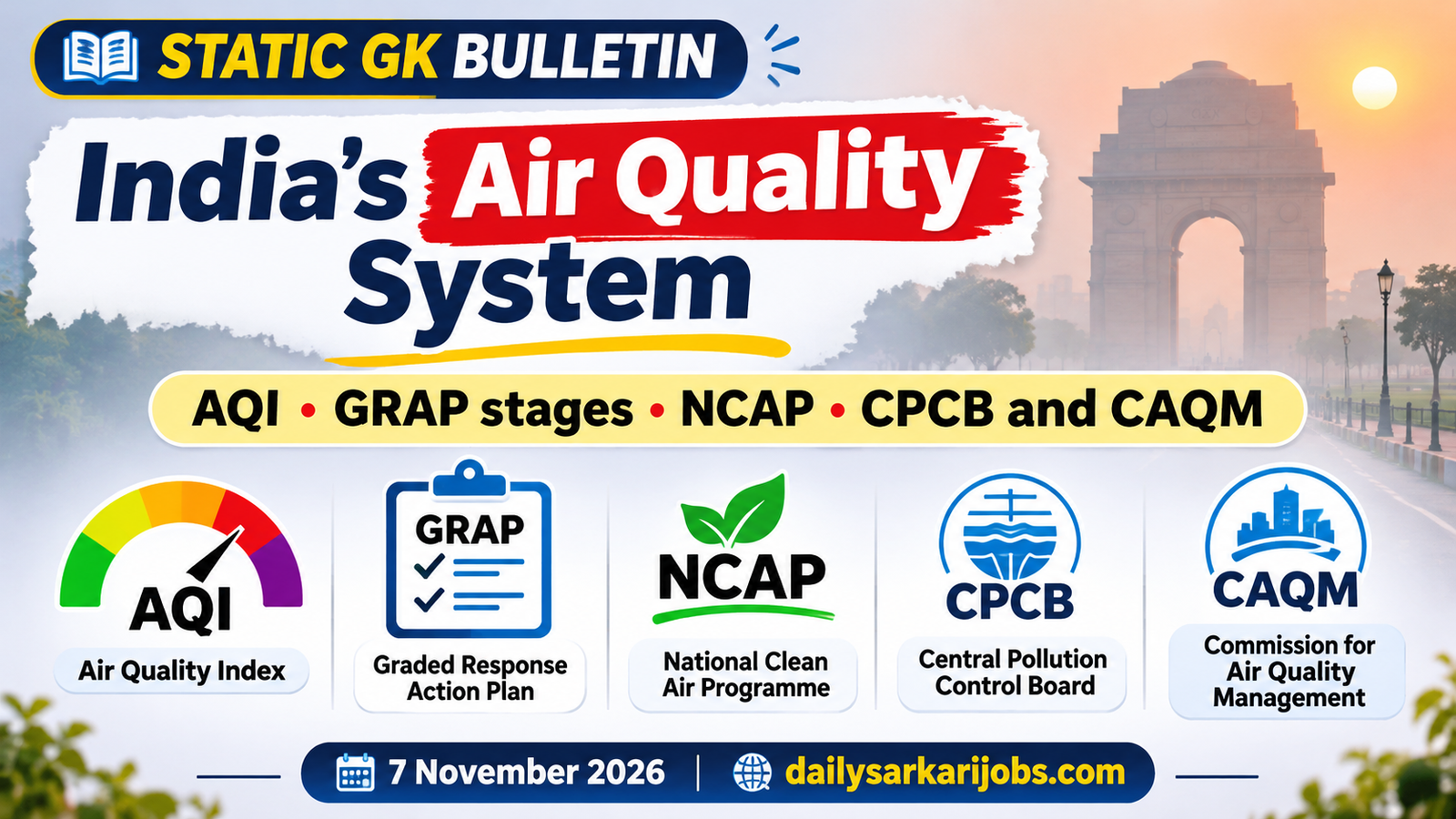
How India measures and manages air quality: the AQI is the worst sub-index rather than an average, GRAP switches itself on at set thresholds, and the NCAP covers 131 cities.
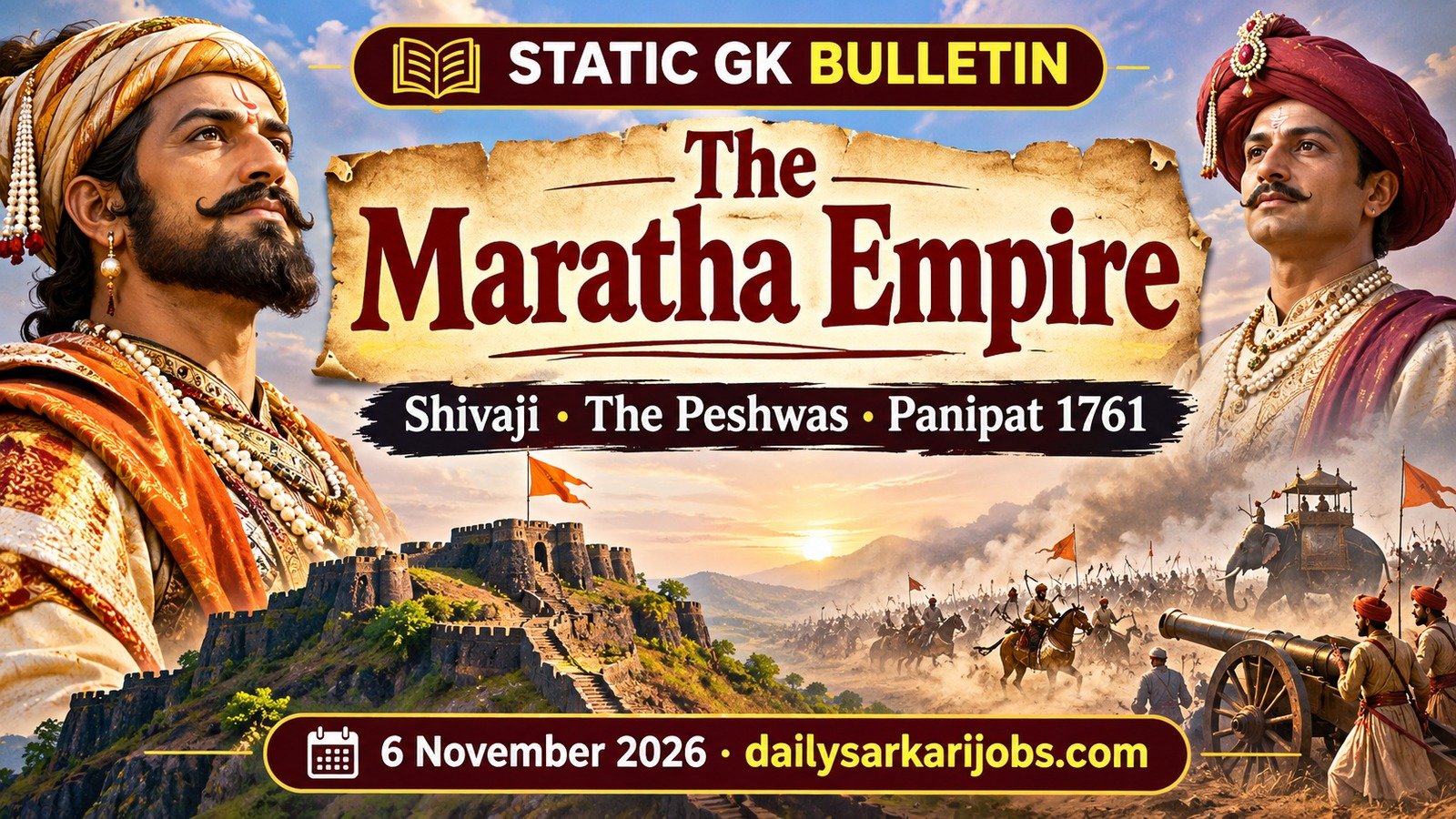
The Maratha Empire for exams: Shivaji and the Ashtapradhan, chauth and sardeshmukhi, the rise of the Peshwas, the confederacy, Panipat 1761 and the three Anglo-Maratha wars.

India’s six physical divisions, explained from one contrast: the oldest land and the youngest land sit side by side, and the rivers, soils and rains all follow from it.
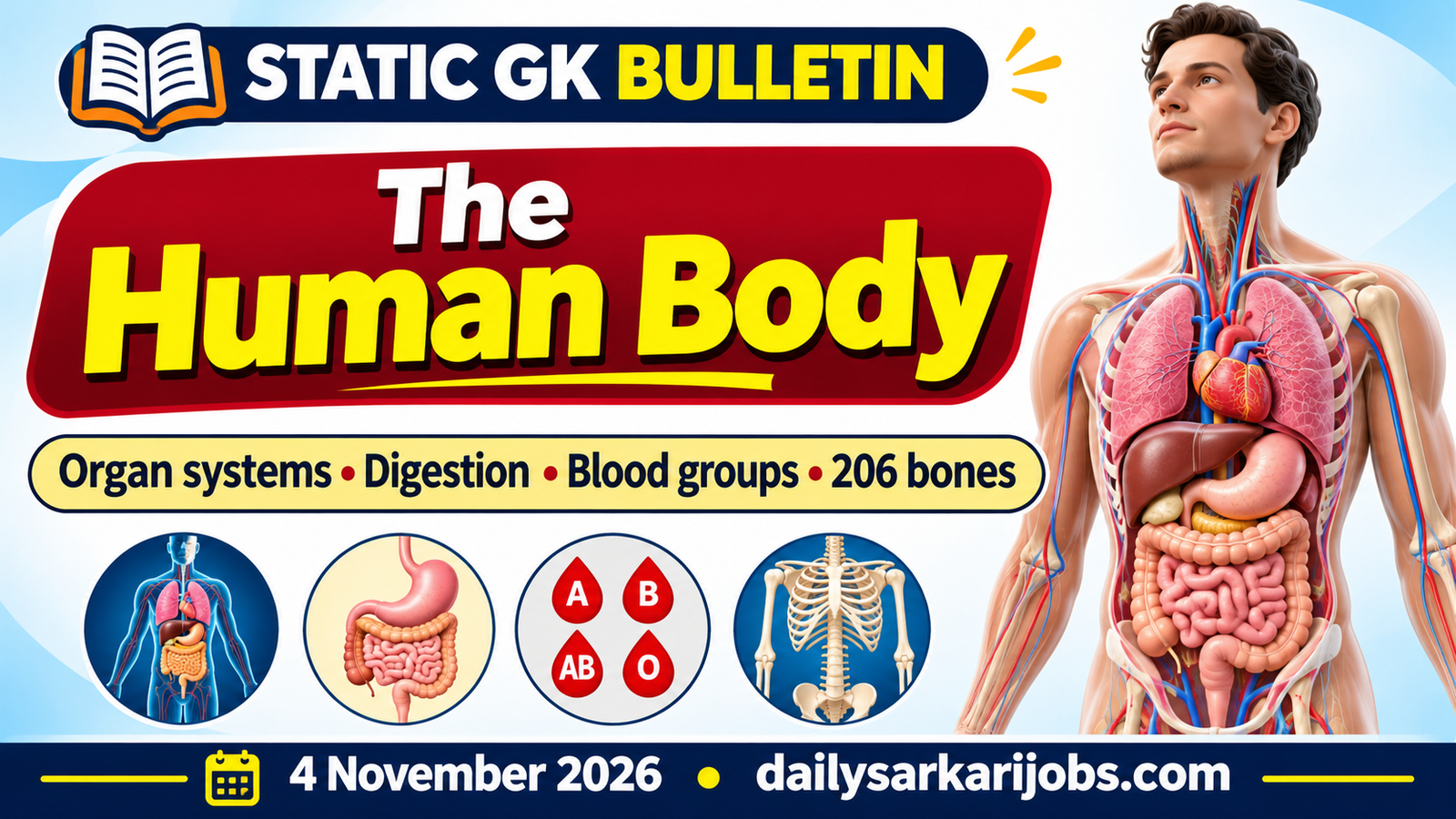
The human body for exams: the organ systems, where each stage of digestion happens, what bile actually does, blood groups, and the numbers and traps that repeat.
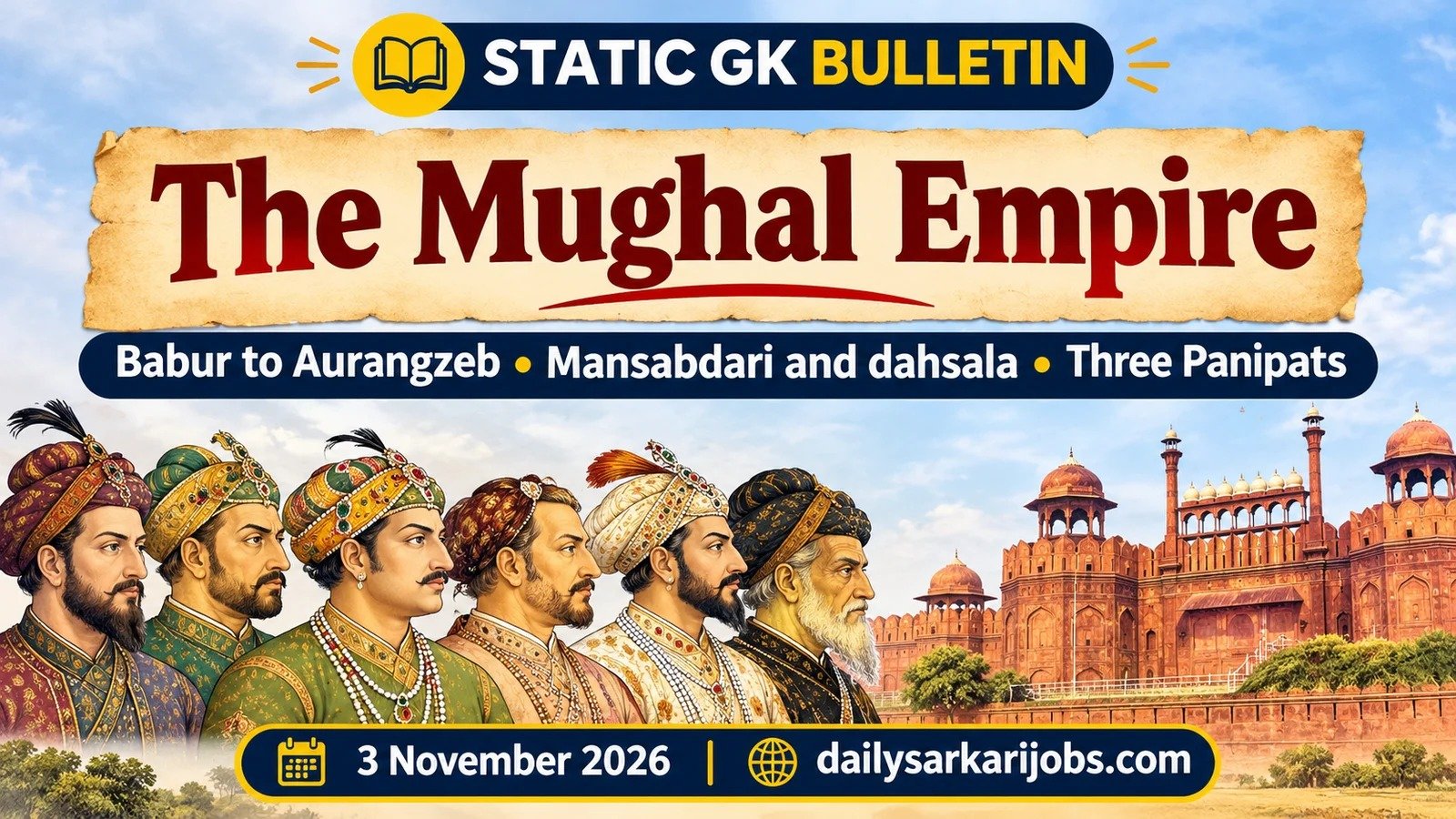
Babur to Bahadur Shah Zafar, mansabdari and the dahsala revenue system, the three battles of Panipat, and the empire that owned the richest coast in Asia but never built a navy.
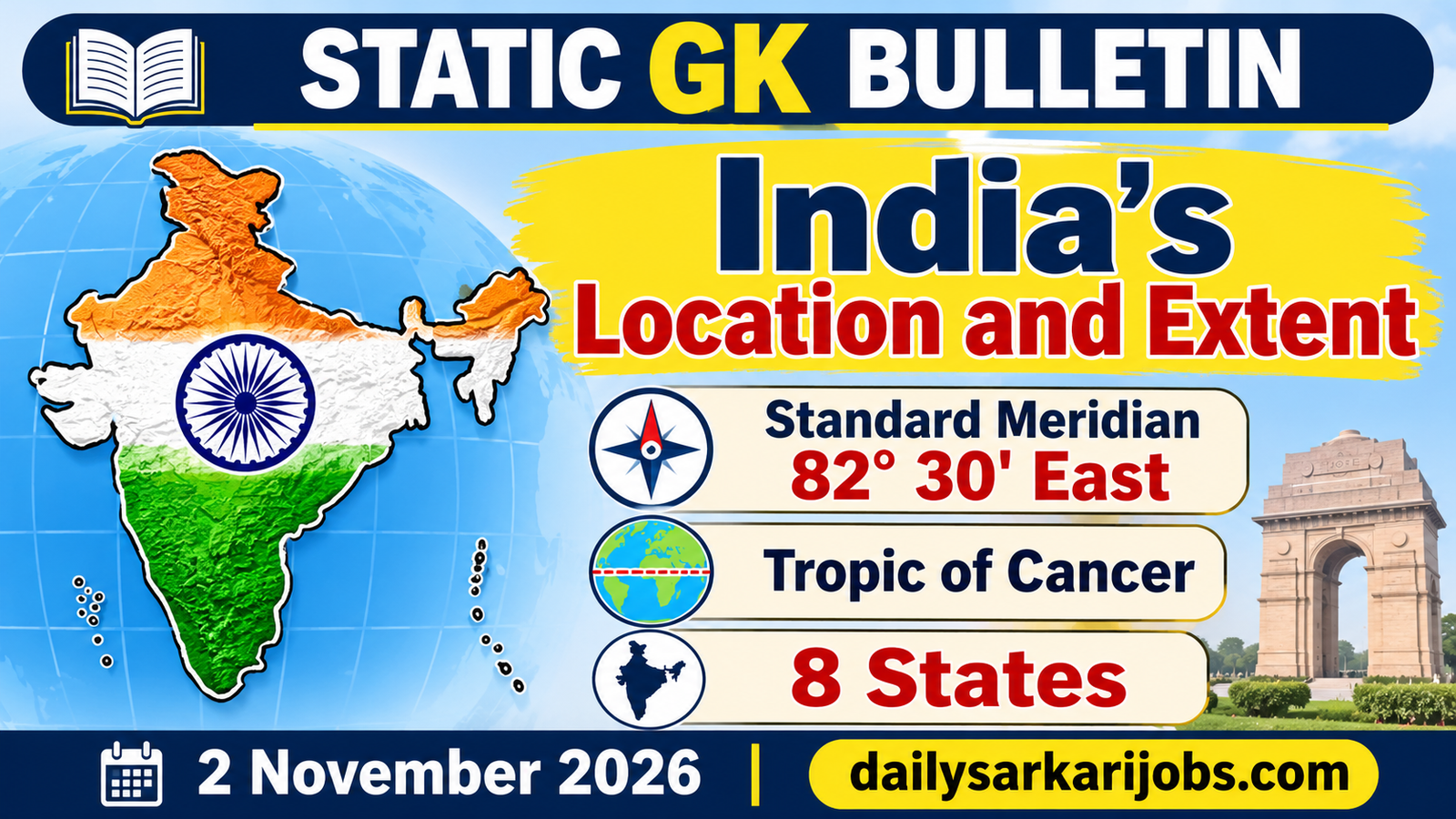
82 degrees 30 minutes east sets the clock and the Tropic of Cancer sets the climate. Extent, area, the Kanyakumari trap, the eight Tropic states and the channels.
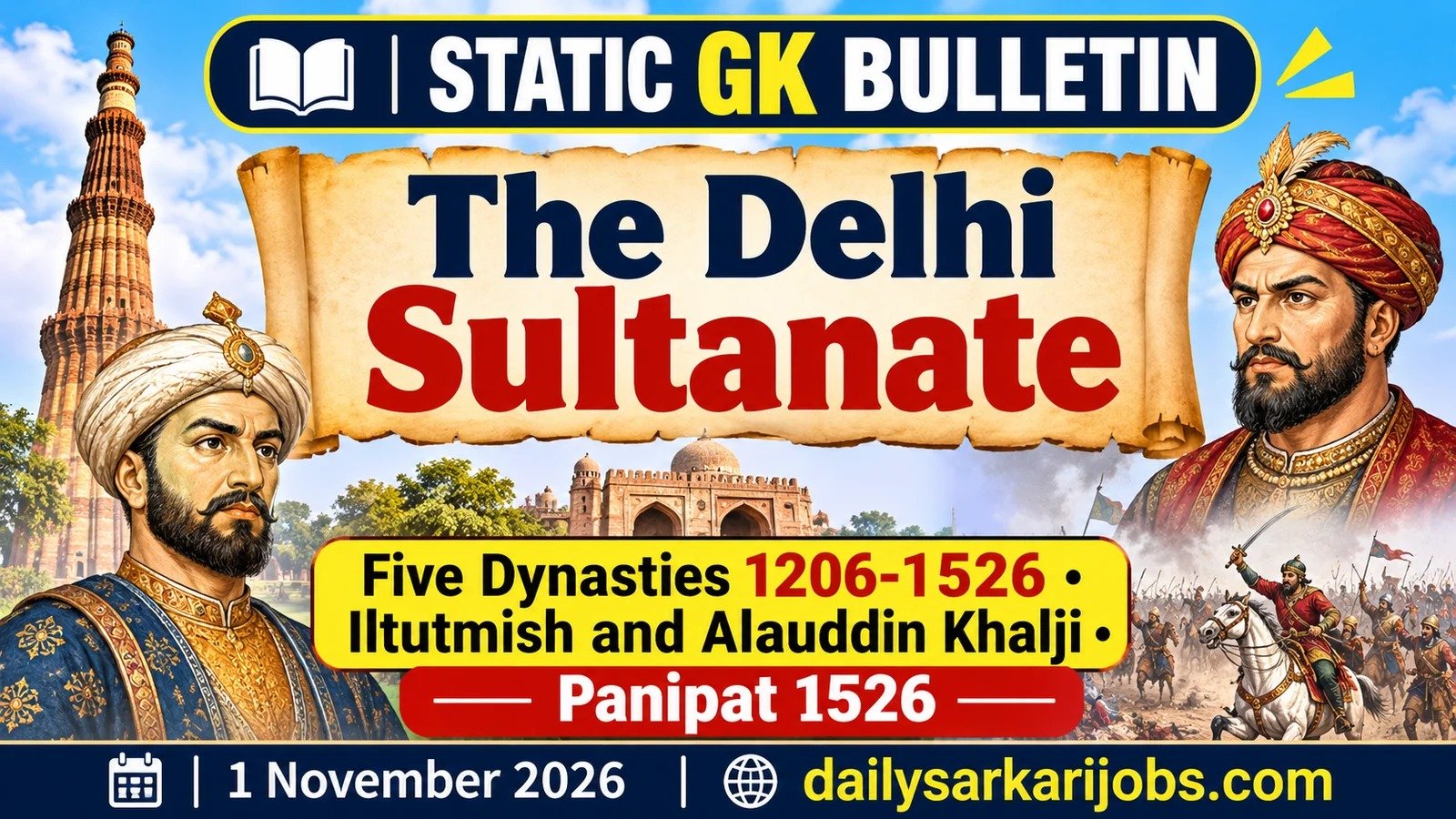
Five dynasties in 320 years, because the Sultanate never had a law of succession. The order, the rulers, the administration, three traps and the sultan who fixed the price of horses.
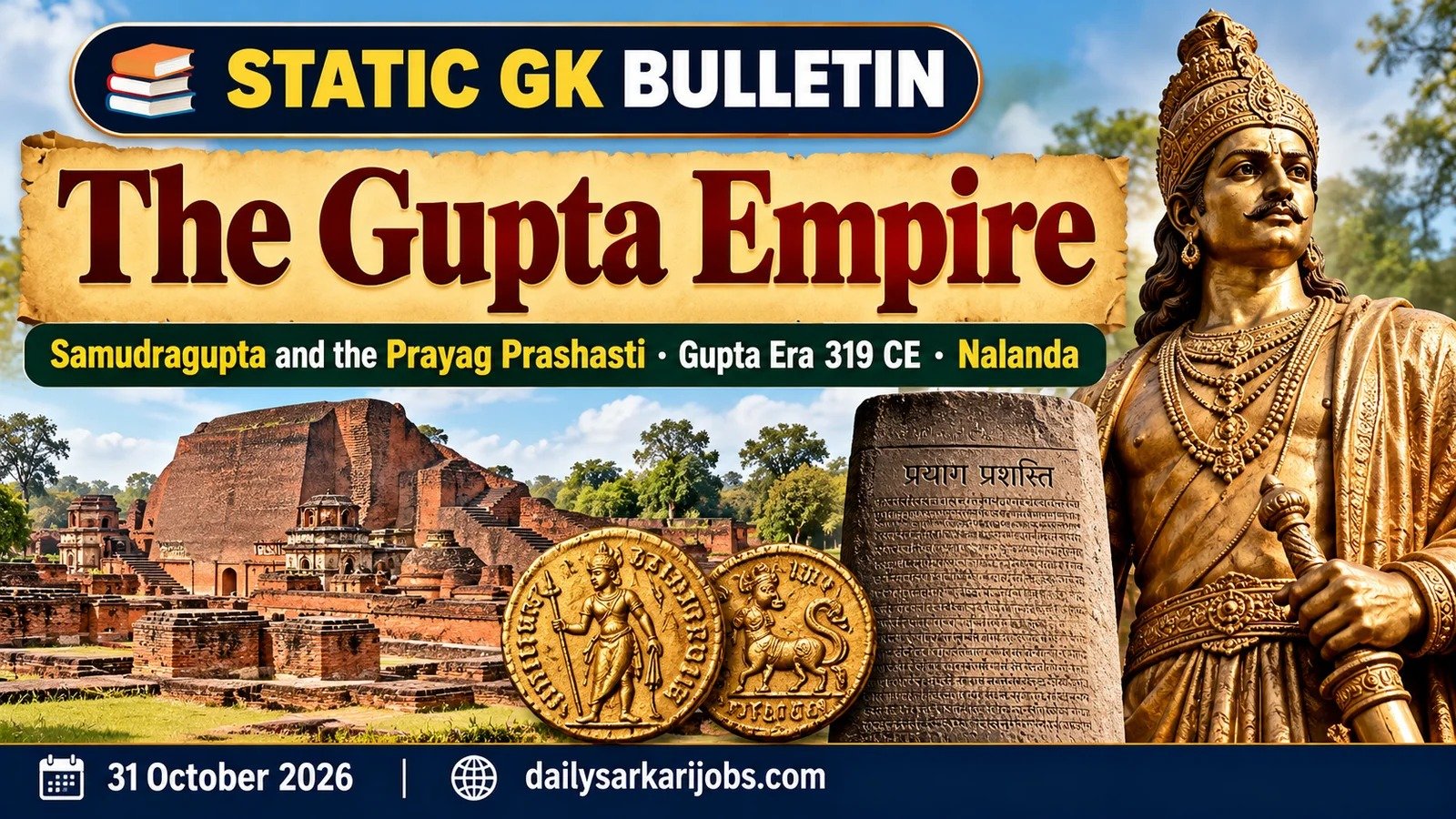
Ashoka wrote his own edicts; the Guptas had a court poet write for them, on the very same pillar. Rulers, the Prayag Prashasti, administration, the golden age and three traps.
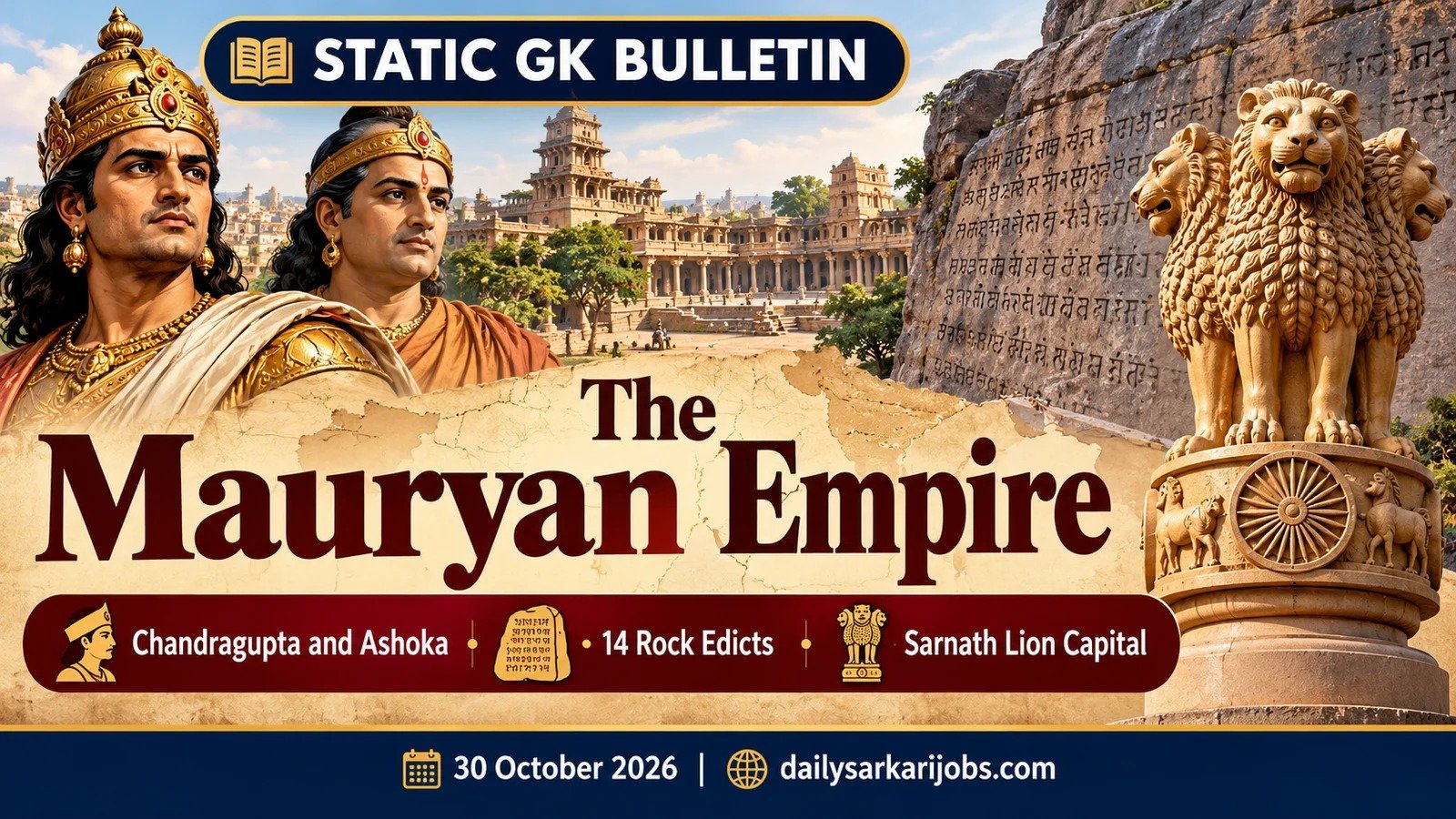
One Mauryan king had his own words carved into rock, and that single fact shapes the whole chapter. Rulers, edicts, scripts, Dhamma, administration and Mauryan art.

Fat-soluble against water-soluble, and everything that follows. Chemical names, deficiency diseases, India’s five fortified staples and the Anaemia Mukt Bharat tablets.
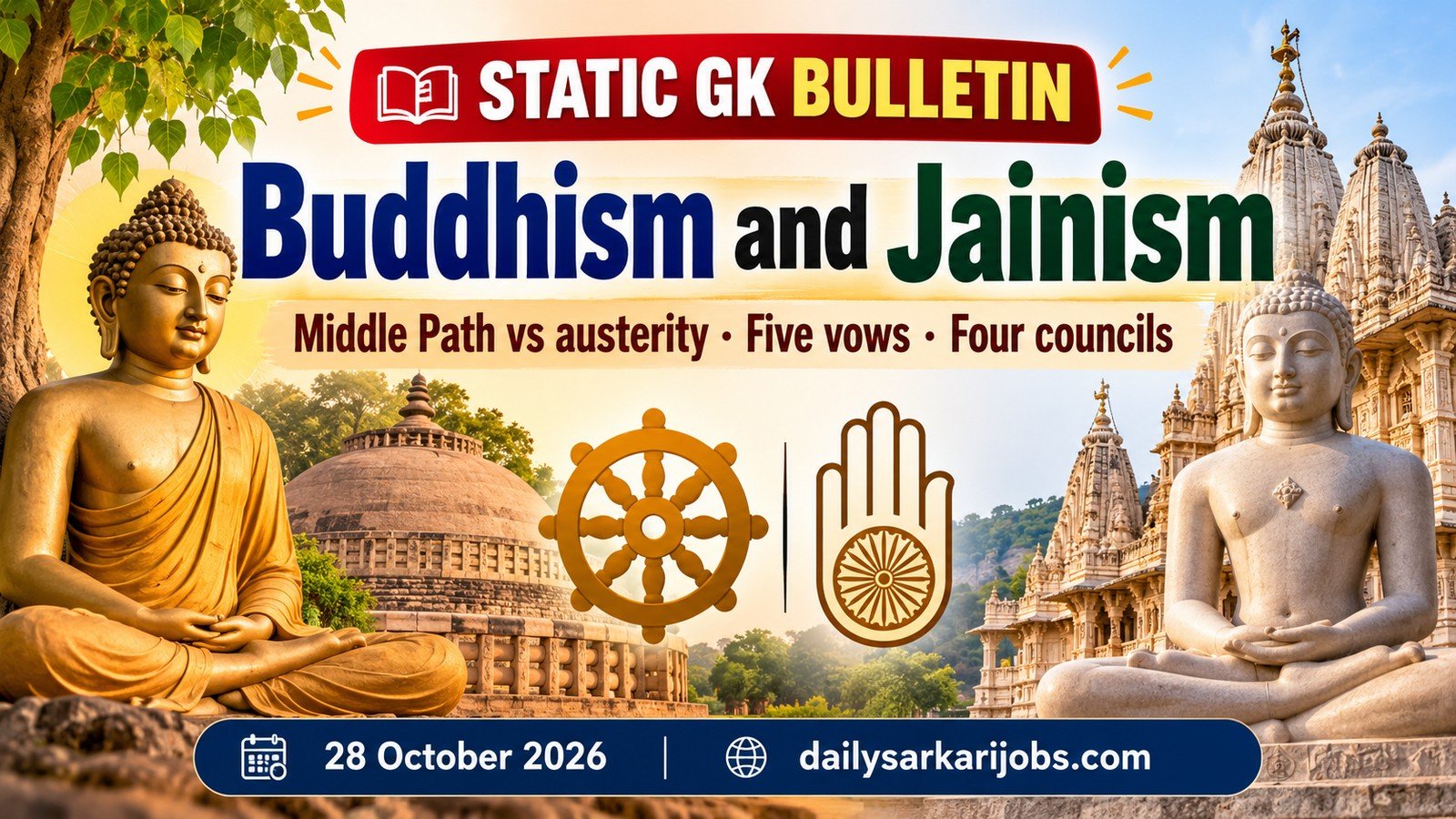
The Middle Path against extreme austerity, and what follows from it. Founders side by side, the five vows, the four Buddhist Councils and the five traps candidates fall for.

The monsoon is a wind reversal, not rain. IMD’s three onset conditions, the normal dates, the Long Period Average and the five rainfall categories, explained simply.
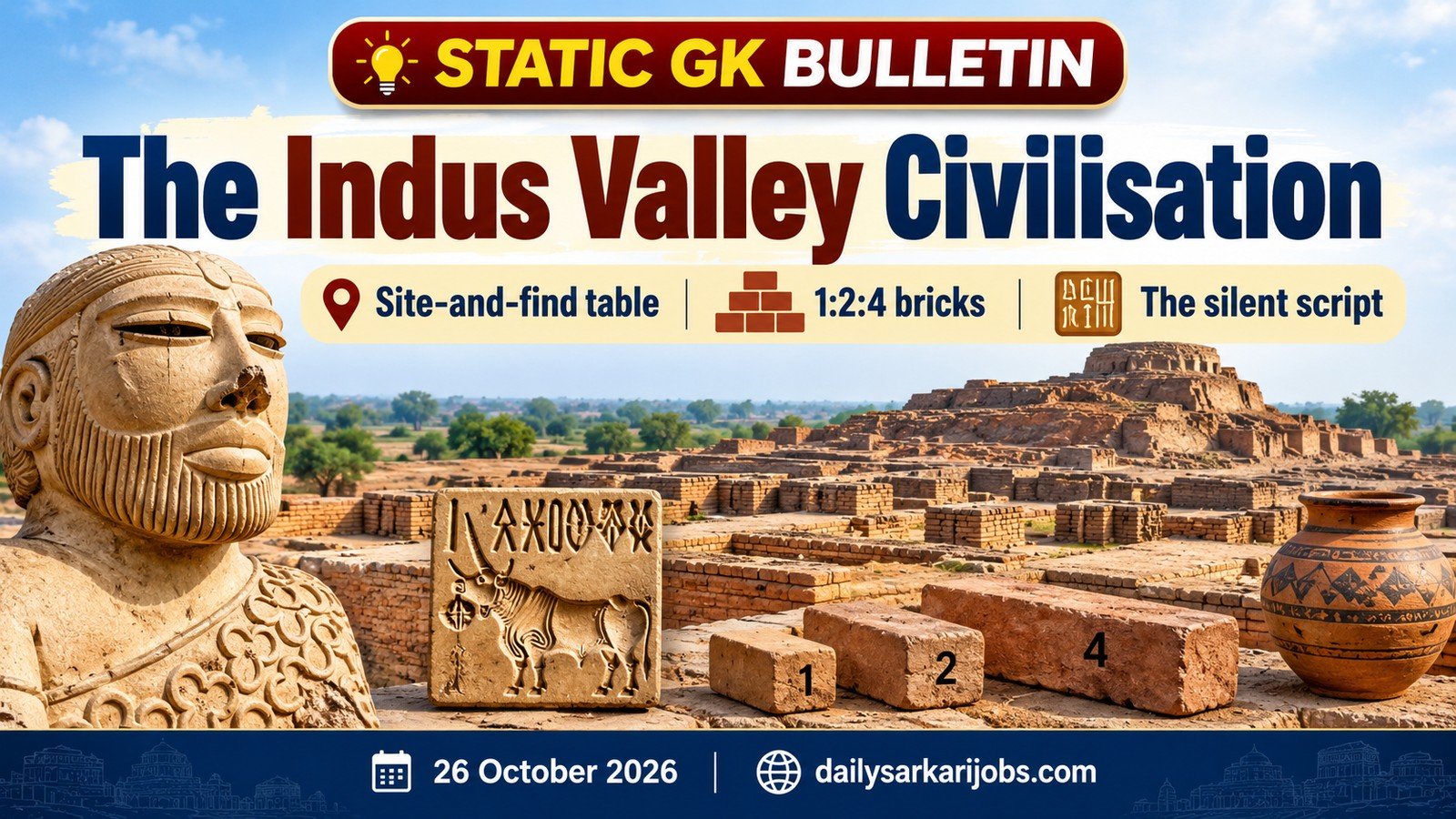
Harappan sites and their finds in one table, the 1:2:4 brick ratio, the undeciphered script, Dholavira’s World Heritage dossier and why the cities declined.
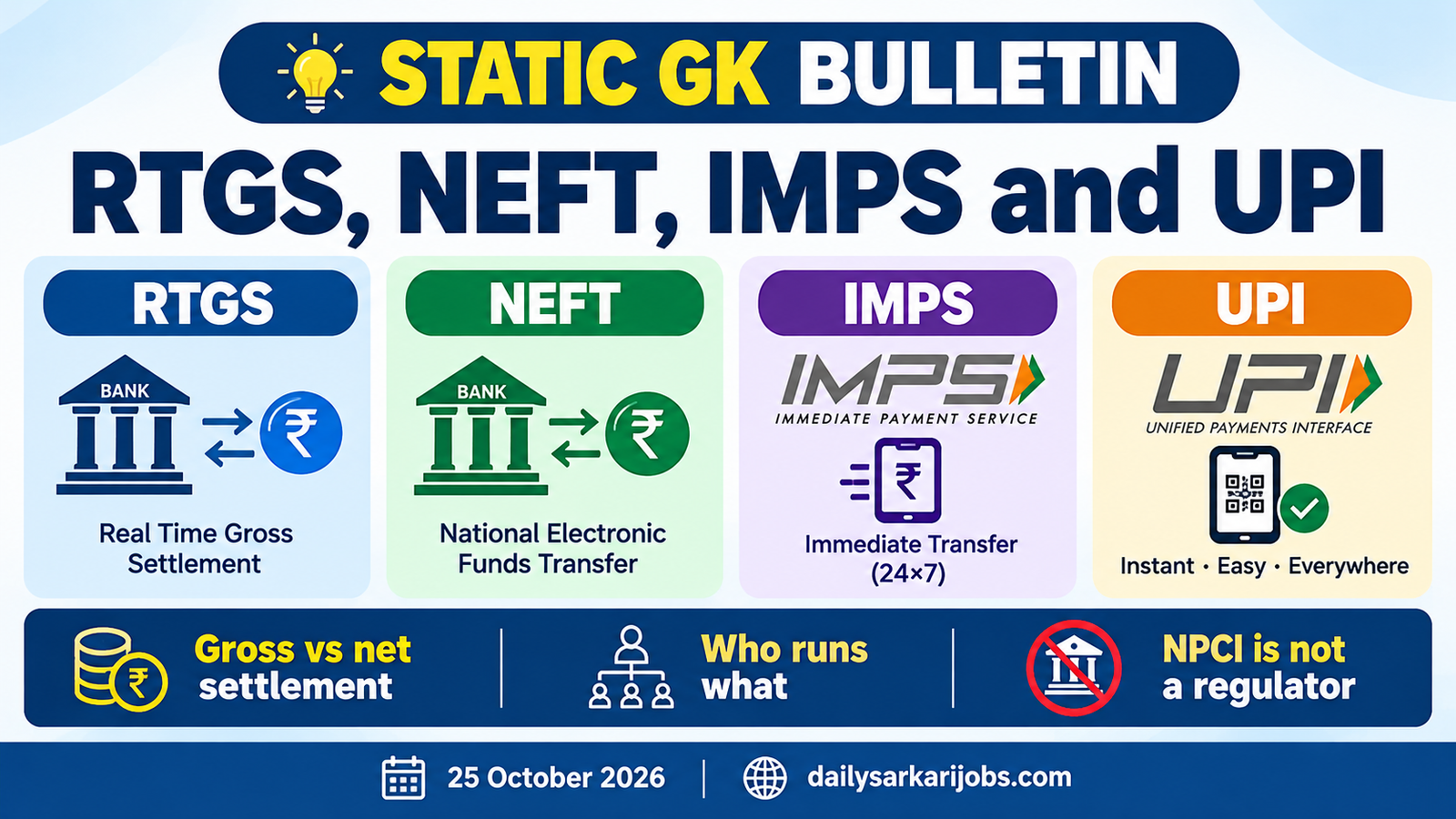
Static GK on India’s payment and settlement systems: gross versus net settlement, RTGS and NEFT run by the RBI, IMPS and UPI run by NPCI, the Payment and Settlement Systems Act 2007, and why the BPSS has been replaced by the Payments Regulatory Board.
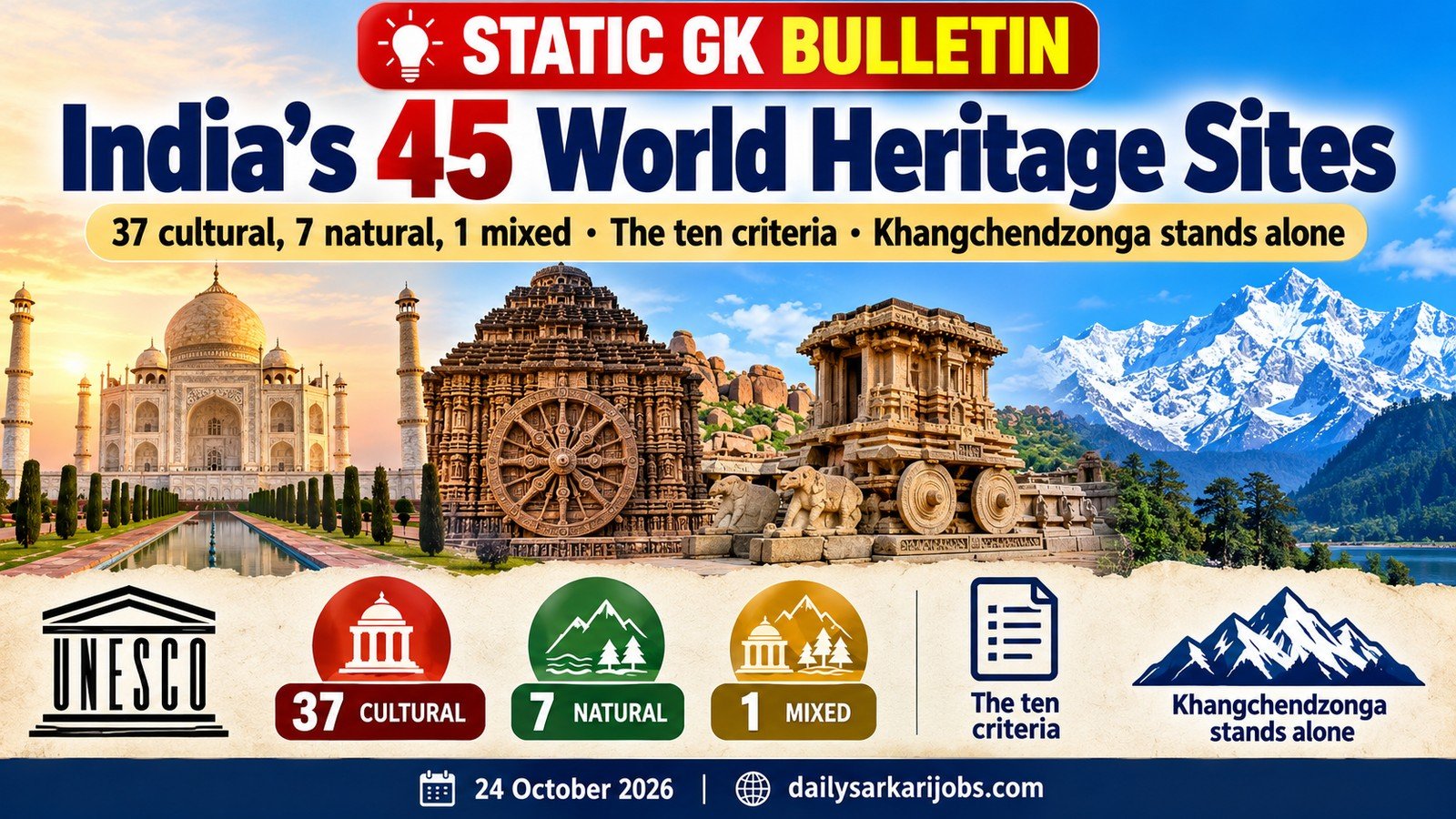
Static GK on India’s 45 UNESCO World Heritage Sites: the cultural, natural and mixed split, the ten criteria, the seven natural sites with their years, the first four of 1983, Sarnath in 2026, and how the World Heritage Committee works.

Static GK on the Fifth Schedule and Scheduled Areas: Article 244(1), the ten States, who declares a Scheduled Area, the Tribes Advisory Council, the Governor’s power to disapply an Act, PESA 1996 and how all of it differs from the Sixth Schedule.
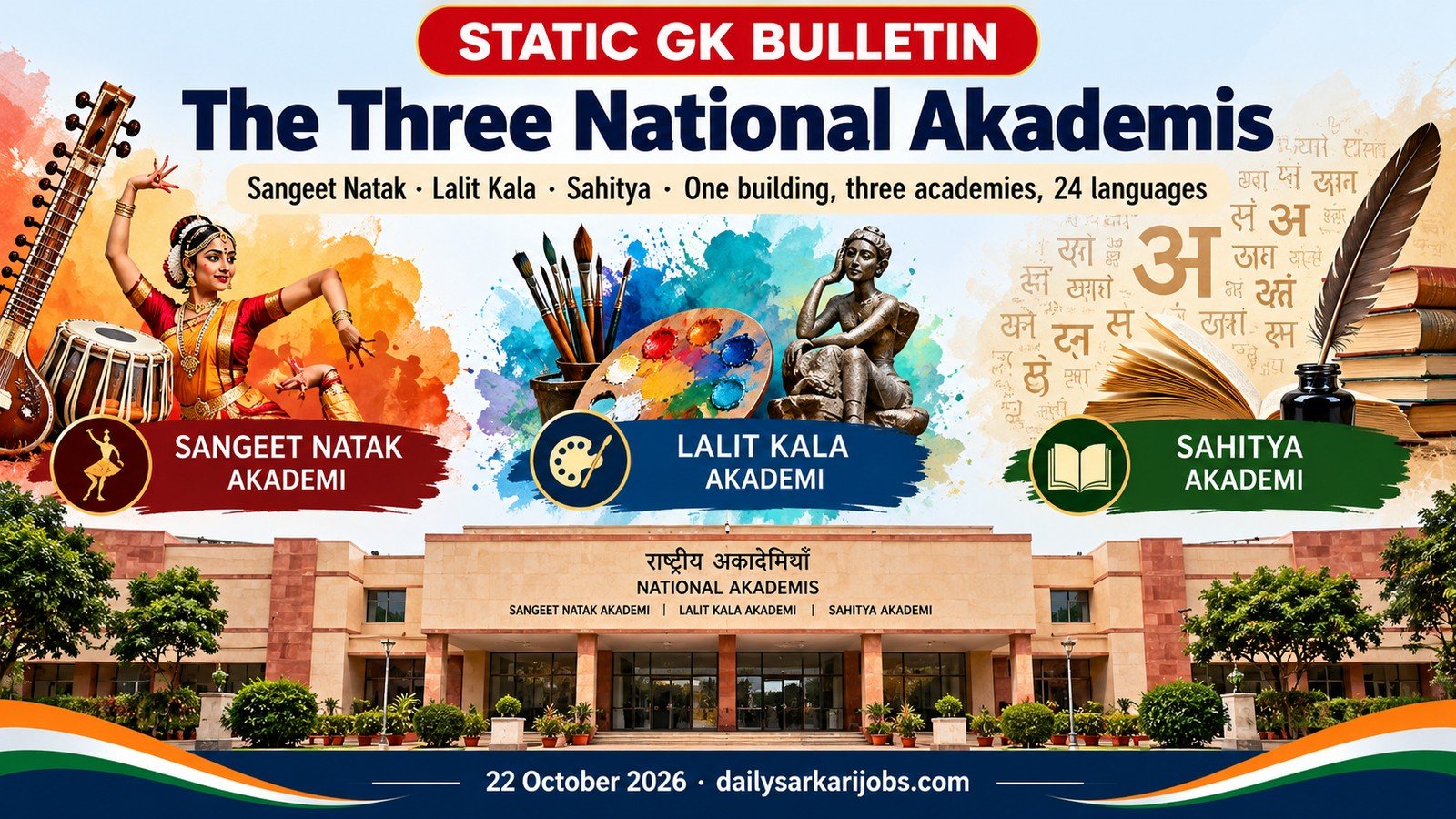
Static GK on India’s three National Akademis — Sangeet Natak, Sahitya and Lalit Kala — with their founding dates, the building they share, the Ministry of Culture, their awards and fellowships, and the trap that the Sahitya Akademi recognises 24 languages while the Eighth Schedule lists 22.
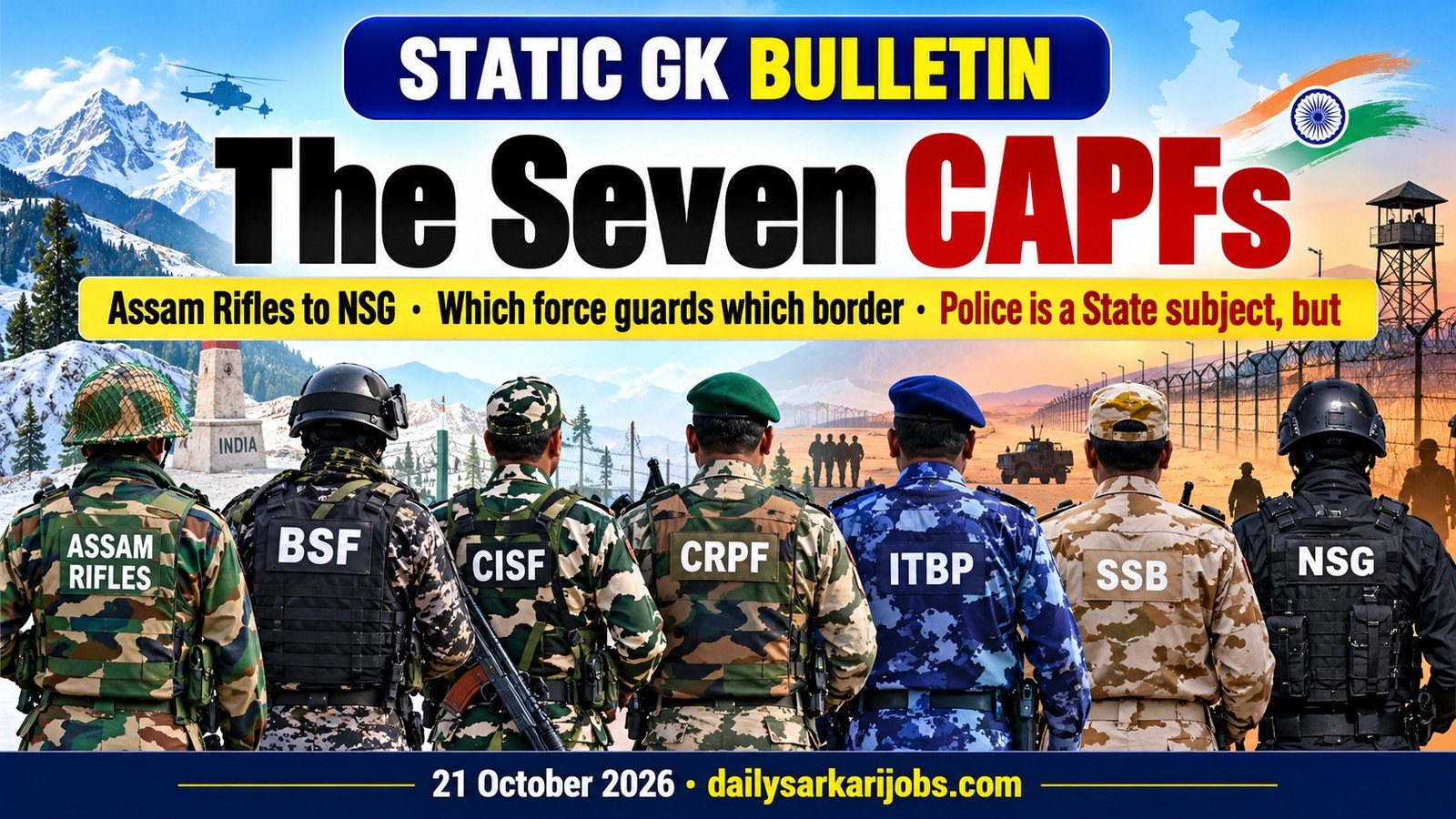
Static GK on India’s seven Central Armed Police Forces — Assam Rifles, CRPF, ITBP, SSB, BSF, CISF and NSG — with raising years, the borders each guards, the dual control of the Assam Rifles, and why police sits in the State List subject to Entry 2A of the Union List.

Static GK on the Food Corporation of India, buffer stocking norms, the National Food Security Act, 2013, Antyodaya and Priority Household entitlements, One Nation One Ration Card and free grain under PMGKAY, in plain language for SSC, RRB, banking and PSC exams.
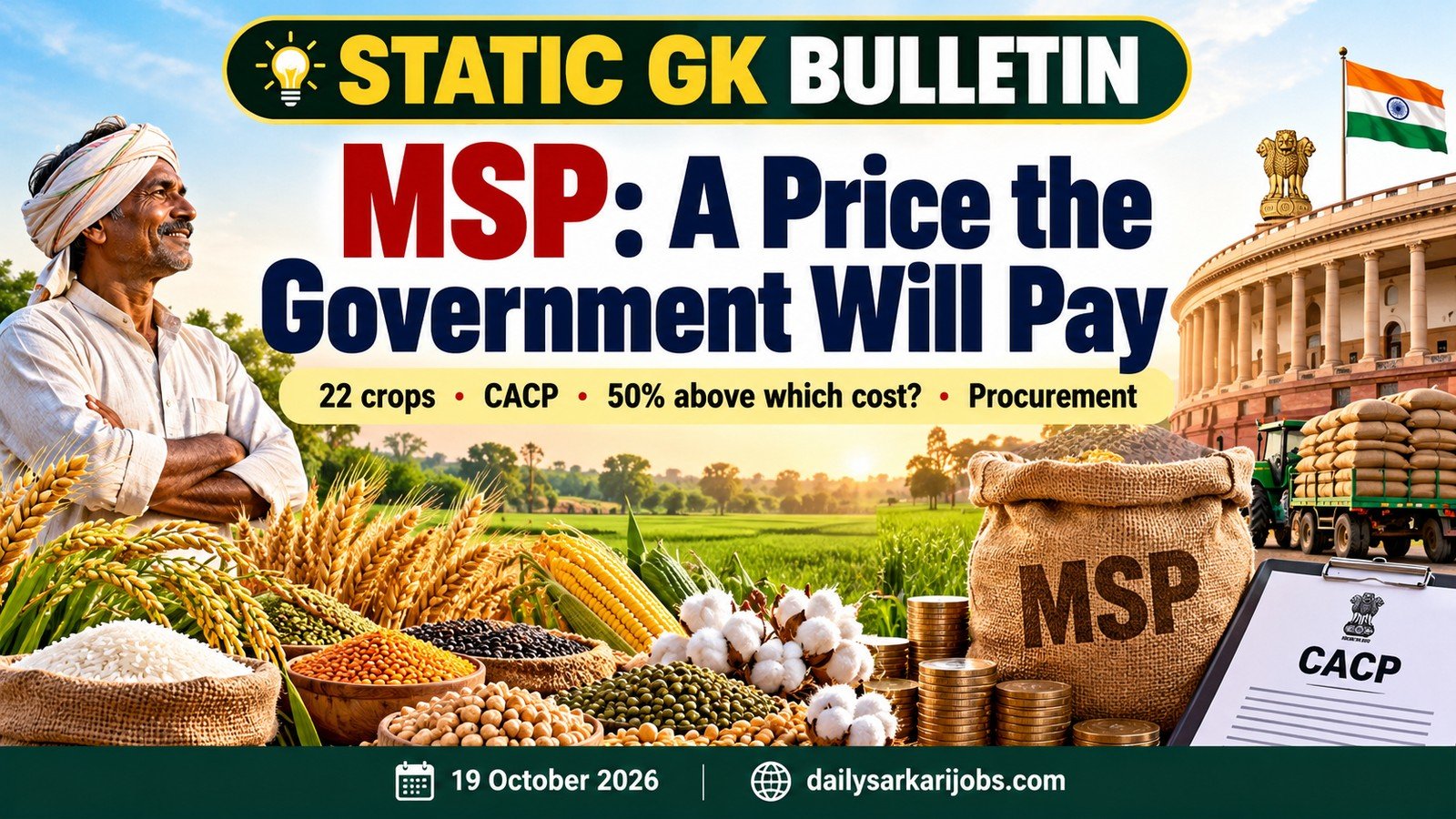
A Minimum Support Price is not a price anybody must pay. It is a price at which the Government is willing to buy. The 22 mandated crops, what CACP weighs, and why the word cost carries the whole argument.
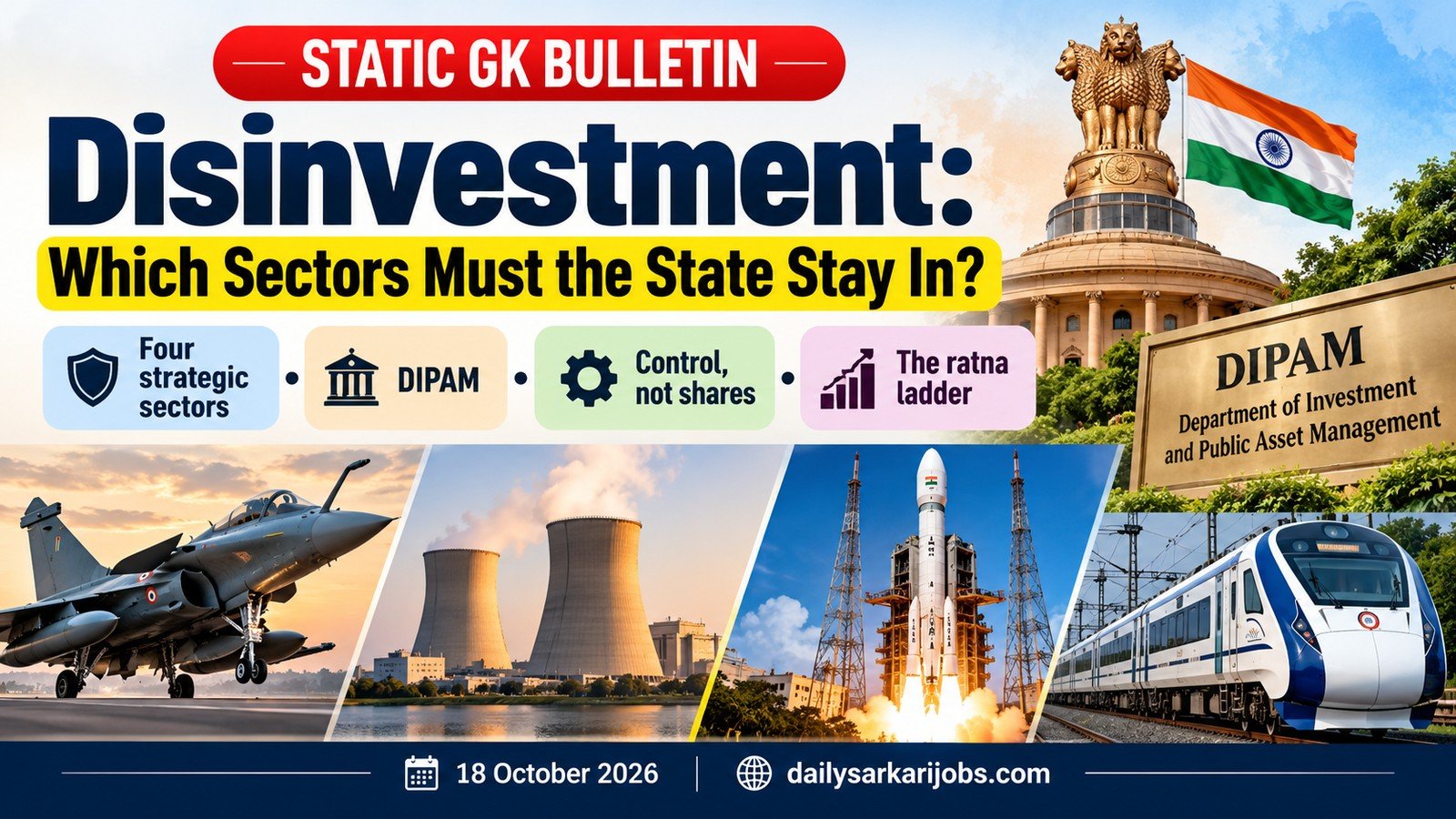
In 2021 India stopped asking which company to sell and started asking which sectors the State must stay in. The four strategic sectors, strategic versus minority sale, and the Maharatna ladder explained simply.
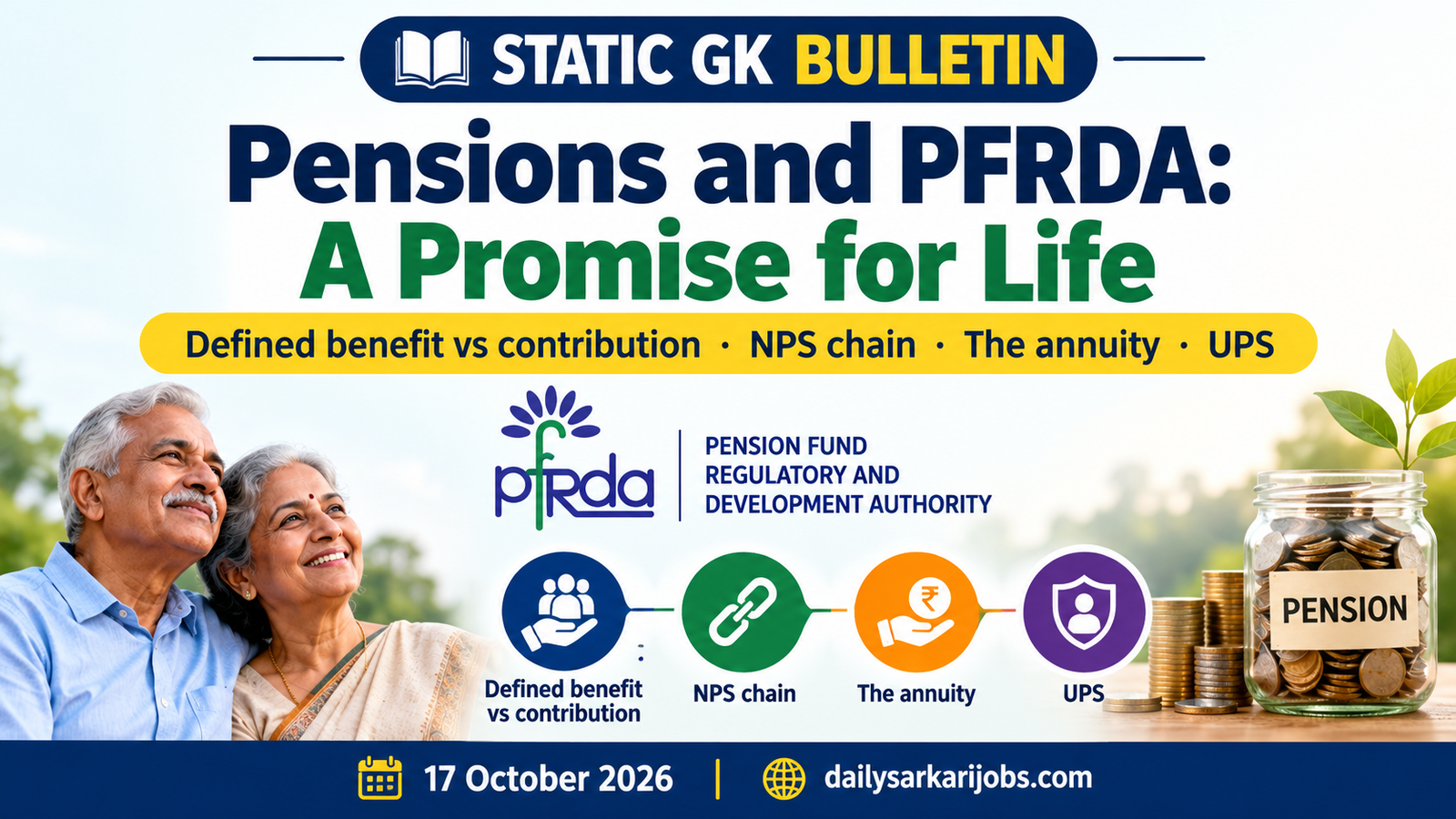
A pension promises an income for life beginning decades away, and the whole subject is an argument about who carries that risk. The NPS chain, why the pot is not the pension, and every number in the Unified Pension Scheme.

A mutual fund never owns your money. An insurer does. That single difference explains the IRDA Act, 1999, the margin of solvency, the rural and social sector quota, and the 2025 law that raised foreign investment to 100 per cent.

A mutual fund is a trust, not a company, and that single legal choice explains the sponsor, the trustees, the AMC and the custodian. Plus NAV, SIP, direct versus regular plans and why AMFI is not a regulator.
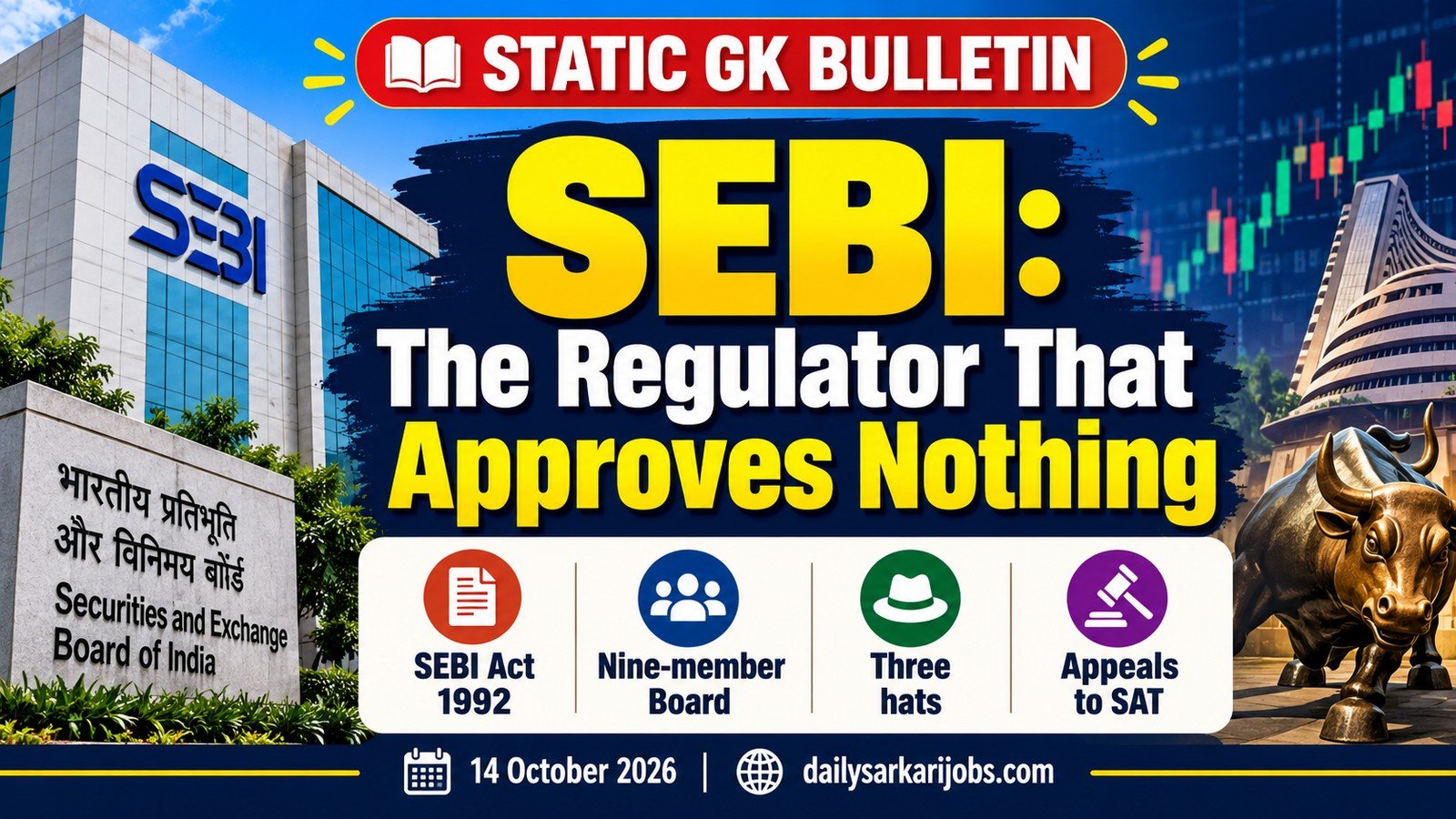
Why India runs a disclosure-based and not a merit-based securities market, how SEBI got its statutory powers, its nine-member Board and three hats, the appeal to SAT, and the institutions around it.
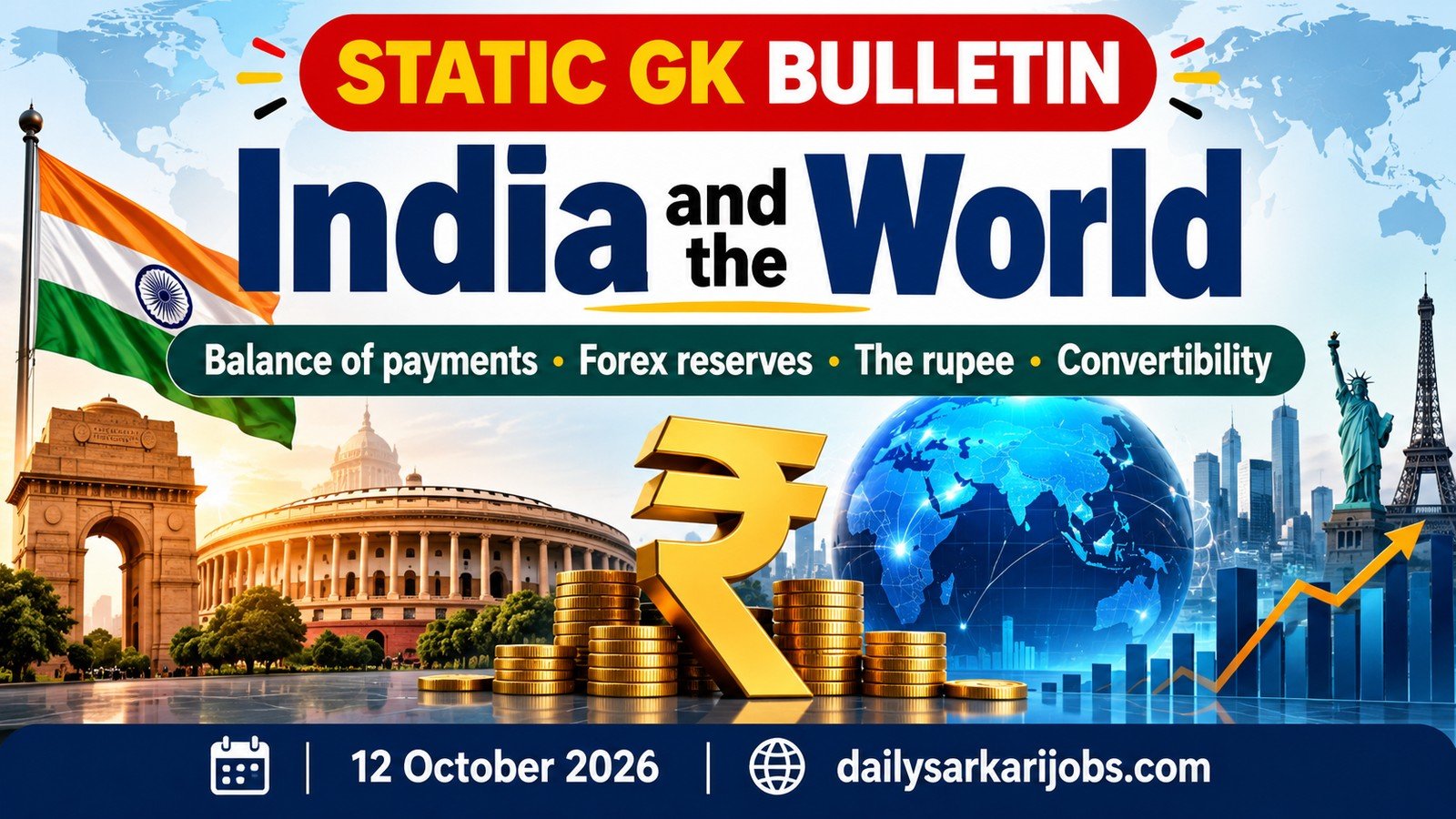
Why the balance of payments always balances, what sits inside the current account, why FDI and FPI are judged differently, the four components of forex reserves, the managed float and rupee convertibility.
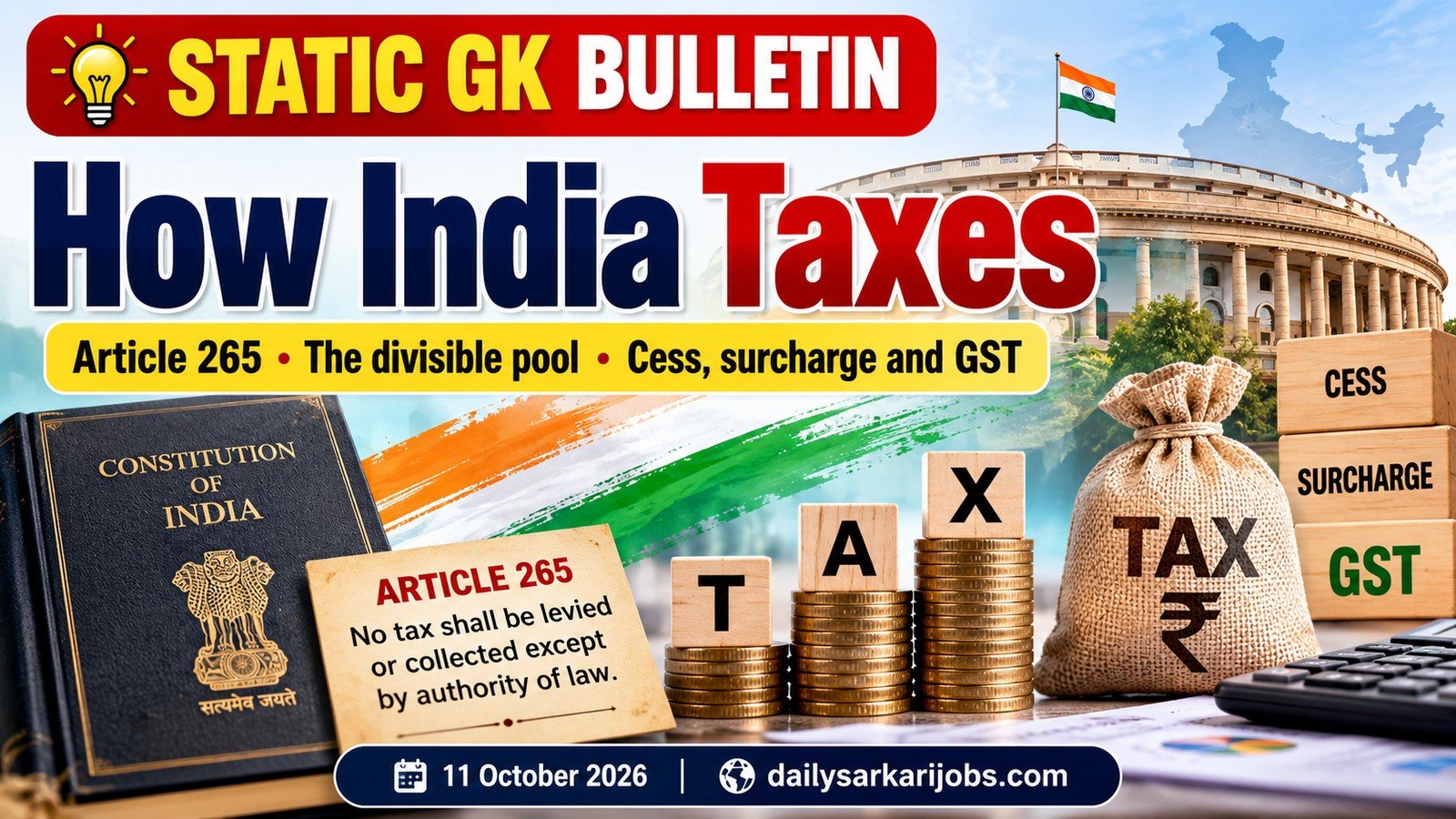
Direct and indirect taxes, who may tax what under the Seventh Schedule, why a cess and a surcharge are never shared with the States, the shape of GST, and the Income Tax Act 2025 in plain language.
Why an Indian bank cannot go bankrupt, how section 45 of the Banking Regulation Act rescues one, the three Prompt Corrective Action thresholds, Basel capital minimums and the deposit insurance limit.
Static GK capsule on inflation measurement: the CPI on base 2024, the WPI on base 2022-23, the new group weights, core inflation and the base effect, CPI-IW, the GDP deflator and the new Producer Price Indices.
Static GK capsule on the Union Budget: the Annual Financial Statement under Article 112, the three funds, charged versus voted expenditure, the stages in Parliament, the three cut motions and Articles 115 and 116.